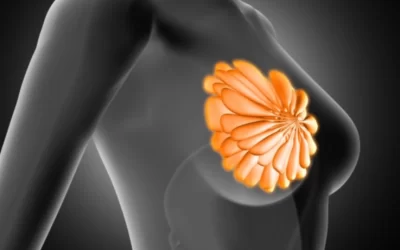
Cancer Surgery
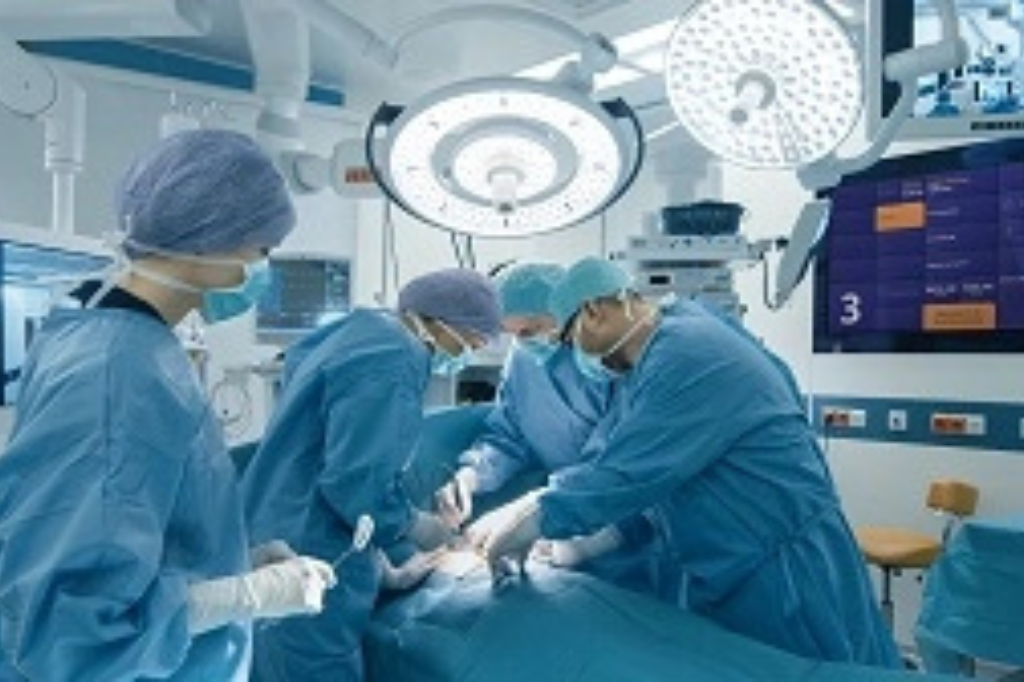
Overview
Cancer is a medical term used to describe a large group of diseases in which there is uncontrollable cell division which later on spreads to various other parts of the body and destroys them slowly. It is mainly caused due to DNA changes as well as genetic changes and can affect any part of the body.
Stages
Cancer surgery is a procedure which is carried out to remove a tumour and some surrounding tissues. A person suffering from cancer requires surgical intervention at some point of time in their life. Sometimes, it can completely cure the disease, whereas in other cases, the doctor performs it so as to relieve[pain] (https://www.webmd.com/pain-management/default.htm)or other complications related to it. At times, the patient requires more than one type of operation. The kind of surgery and the number of procedures to be done, depending on various factors, which are as follows:
- The type of cancer present
- Stage of cancer
- Patient’s response to the treatment plan
- Requirement of reconstructive surgery
A surgical Oncologist is a specialized medical doctor who deals in all kinds of cancer-related surgeries.
Types of Cancer Surgery
- This is also called a Biopsy. It helps to determine whether the tumour present in the body is cancerous or non-cancerous. It is further divided into two types, namely.
- Incisional: It involves the removal of a small part of the area
- Excisional: It involves the removal of an entire part, e.g. Breast lump
The doctor will send this specimen to the laboratory for further testing and evaluation to see whether it’s cancerous or not.
- This surgery is performed to determine the size of the tumour and the extent of its spread to surrounding areas. The oncologist also removes some lymph nodes near the site of the tumour as they are more vulnerable to the spread of cancer. Surgical removal of lymph nodes is called Lymphadenectomy. The most commonly used staging procedure is Laparoscopy.
- It is also called a Resection or Excision surgery. It is the most common type of cancer surgery in which the oncologist removes the entire tumour and some healthy tissues near it. This generally requires a larger incision, but nowadays, advanced techniques like Robotic surgery are being used by doctors. They are less invasive, have less pain and have a quick recovery.
- It involves the removal of only a part of the tumour instead of the entire tumour, as it may damage the organ or the entire body. So the emphasis is to remove as many tumours as possible before starting other forms of treatment like radiation therapy or chemotherapy. It is often used for ovarian cancer or lymphomas.
- The main aim behind this surgery is to relieve the person of the side effects caused due to tumour, thereby improving the quality of life. However, this surgery isn’t a cure. Common examples are surgery done to relieve pressure on the nerve or spinal cord.
- These are the surgeries done in order to lower the risk of developing cancer in future. A common example includes the removal of precancerous polyps in the area of theduring a colonoscopy to help prevent[colon cancer] (https://www.webmd.com/colorectal-cancer/default.htm).
- This surgery is done either with the removal of the tumour or after the healing of the patient takes place. It helps in the restoration of body appearance and function. Breast reconstruction after a mastectomy is a common example.
Risks of Cancer surgery
These include:




+91-91466 91466
If you want to get a free consultation without any obligations, fill in the form below and we'll get in touch with you.
Request a Call Back
Our healthcare expert will contact you shortly to understand your requirements and assist you with the right care.
100% Confidential
Your information is safe and secure with us.
Quick Response
Our team will connect with you at the earliest.
Expert Guidance
Speak with our experienced healthcare professionals.
Request a Call Back
You Will Get a call within 1 hour
?? Your information is
safe & confidential.