

Gastroenterology Care at Our Hospitals
At Ujala Cygnus Hospitals, we understand how crucial digestive health is to your overall well-being. That’s why we provide comprehensive gastroenterology services, to ensure quality care is both accessible and affordable. Ranked among North India’s top NABH-accredited hospital chains, we bring world-class digestive care to tier 2 and tier 3 cities of Haryana, Uttar Pradesh, Delhi, Uttarakhand, Punjab, and Jammu and Kashmir. Our hospitals have experienced specialists and state-of-the-art facilities to treat all sorts of conditions affecting the digestive system. Whether you need help in managing a chronic condition or are seeking evaluation for any new symptoms, our gastroenterology hospitals are equipped to deliver accurate diagnosis and world-class care, close to your home and at a cost you can afford.
What is Gastroenterology?
Gastroenterology is a branch of medicine that is focused on the disorders of the digestive system, including problems related to organs such as the oesophagus, stomach, small and large intestines, liver, gallbladder, bile ducts, and pancreas. A gastroenterologist diagnoses and treats a variety of conditions, including acid reflux, irritable bowel syndrome, liver disease, pancreatitis, and gastrointestinal cancers. If surgery is needed, the patient is referred to a surgical gastroenterologist.
When Should I See a Gastroenterologist?
It is advisable to consult a gastroenterologist if you experience any of the following:
- Chronic Abdominal Pain: Ongoing or recurrent abdominal pain that does not improve with medication or dietary changes.
- Chronic Acidity or Heartburn: Persistent burning sensation in the chest or throat, especially if it continues even after taking over-the-counter medicines and/or making lifestyle changes.
- Bloating and Indigestion: Regular pain, heaviness, too much gas, or a feeling of fullness even after small meals.
- Changes in Bowel Habits: Constipation, diarrhoea, or unexplained changes in bowel patterns that are hard to explain and last for several days or weeks.
- Blood in Stool: Dark red, black, or tarry stools, can be a sign of bleeding in the digestive tract and should be evaluated immediately.
- Unexplained Weight Loss: A sudden or gradual loss of weight that is not caused by a conscious change in diet or lifestyle. It is often accompanied by fatigue or a loss of appetite.
- Nausea and Vomiting: Continuous nausea, frequent vomiting, or a feeling of unease in the stomach that does not resolve over time or recurs.
- Difficulty Swallowing: Pain, discomfort or feeling of food getting stuck when swallowing, could indicate a problem in your oesophagus or upper digestive tract.
- Jaundice: Yellowish skin and eyes, usually from liver or bile duct issues, sometimes accompanied by dark urine or pale stools.
- Family History of Digestive Disorders: A family history of gastrointestinal diseases puts you at greater risk and may require screening.
Gastroenterological Conditions Treated at Ujala Cygnus Hospitals
Our gastroenterologists have extensive experience in treating of a wide variety of digestive and liver diseases, including but are not limited to:

Acidity, GERD, and Reflux Disorders
Persistent heartburn, acid reflux, and related conditions that affect the food pipe and overall comfort after meals.

Peptic Ulcers and Gastrointestinal Infections
Bacteria, viruses or parasites causing ulcers and infections of the gastrointestinal tract leading to pain, nausea and digestive upset.

Functional and Chronic Bowel Disorders
Conditions such as IBS, constipation, and diarrhoeal disorders that involve long-term digestive irregularities and require ongoing care.

Inflammatory and Colorectal Conditions
IBD (Crohn’s disease and ulcerative colitis), polyps, and other lower digestive tract concerns that may require screening and specialised management.
Liver and Biliary Disorders
Fatty liver, hepatitis, cirrhosis, gallstones, and bile duct conditions that require monitoring, lifestyle management, and medical treatment.
Pancreatic Disorders and Malabsorption Issues
Pancreatitis and other conditions such as food intolerances or problems with the absorption of nutrients affecting digestion and overall health.
Advanced Gastroenterology Procedures at Ujala Cygnus Hospitals
Why Choose Ujala Cygnus Hospitals for Gastroenterology Care?

NABH-Accredited Hospitals with Advanced Endoscopy Infrastructure
Every hospital meets high national quality standards and is equipped with high-definition endoscopy systems that support accurate diagnosis and minimally invasive treatment.

Complete Digestive Care Under One Roof
All gastroenterology services are provided at a single site, from outpatient consults and diagnostics to advanced endoscopic procedures and laparoscopic surgery, with no need for external referrals.

Experienced Gastroenterologists with Dedicated Hepatology Services
The team comprises specialists with extensive experience in managing a wide range of digestive and liver diseases, with focused care pathways for fatty liver, hepatitis, and cirrhosis, along with ongoing monitoring.

Ayushman Bharat and Cashless Empanelments with 24×7 Emergency Care
Empanelled with PM-JAY, CGHS, ECHS, ESIC, and major insurers, the hospitals also provide round-the-clock emergency care for conditions such as gastrointestinal bleeding, acute pancreatitis, and biliary emergencies.

Our Medical Experts












Gastroenterology Diagnostics at Ujala Cygnus Hospitals





Patient Stories
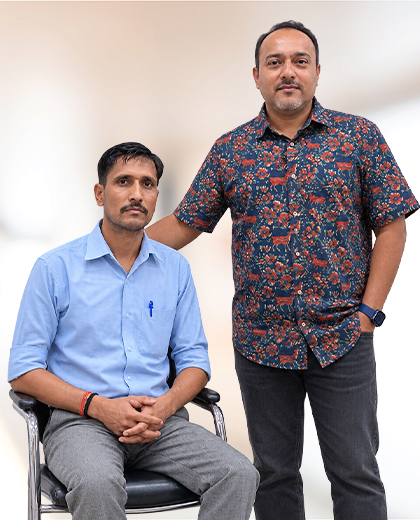
Hip Replacement by
Dr. Indranil Halder

LNICU by
Dr. Rajeev Kumar

CKD Diabetes
CKD Diabetes
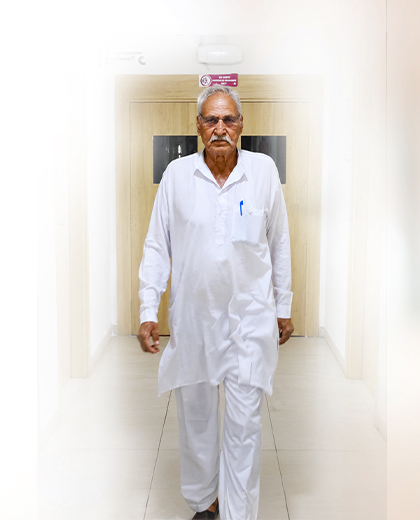
Knee Replacement by
Knee Replacement
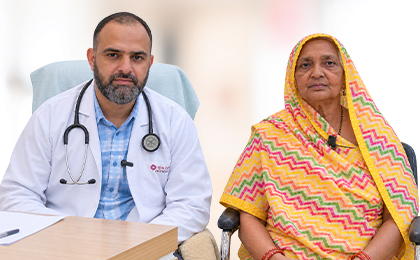
TNBC Survivor by
Dr. Abid Lone
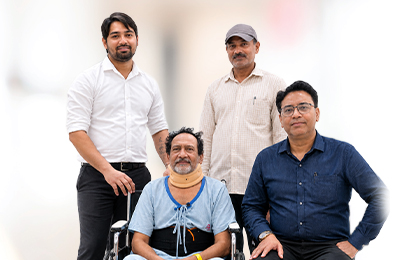
Spine Surgery by
Dr. Saurabh Kumar Sinha
Brain Surgery by
Dr. Saurabh Kumar Sinha
Hip Replacement by
Dr. Indranil Halder
NICU by
Dr. Rajeev Kumar
CKD Diabetes
CKD Diabetes
Knee Replacement by
Knee Replacement
TNBC Survivor by
Dr. Abid Lone
Spine Surgery by
Dr. Saurabh Kumar Sinha
Brain Surgery by
Dr. Saurabh Kumar Sinha
Latest Blogs




Frequently Asked Questions
What conditions does a gastroenterologist treat?
A gastroenterologist diagnoses and manages disorders of the entire digestive system, including GERD, peptic ulcers, IBS, IBD, pancreatitis, gallbladder disease, hepatitis, fatty liver, cirrhosis, and gastrointestinal cancers.
When should I consult a gastroenterologist?
Consult a gastroenterologist if your digestive symptoms persist beyond a few weeks, recur frequently, are severe, or are accompanied by warning signs such as blood in the stool, unexplained weight loss, or yellowing of the skin or eyes.
How long does recovery take after an endoscopic procedure?
Most endoscopic procedures such as endoscopy and colonoscopy are performed under mild sedation and require minimal recovery time. Patients are typically ready to go home within a few hours and can return to normal activity the following day.
Is emergency gastroenterology care available at Ujala Cygnus Hospitals?
Yes. Our hospitals provide round-the-clock emergency care for acute gastrointestinal conditions including GI bleeding, severe abdominal pain, acute pancreatitis, and biliary emergencies.
What are the common symptoms of gastrointestinal disorders?
Persistent abdominal pain, bloating, acid reflux, nausea, chronic diarrhoea or constipation, blood in the stool, unexplained weight loss, and difficulty swallowing are all symptoms that warrant evaluation by a gastroenterologist.
Can digestive conditions be treated without surgery?
Yes. Most gastrointestinal conditions are managed without surgery through medication, dietary changes, and endoscopic procedures. Surgery is considered when non-surgical approaches are insufficient, or when the condition, such as gallbladder disease or colorectal cancer, requires it.
How do Ujala Cygnus Hospitals manage liver disease?
We offer a structured hepatology programme covering fatty liver disease, hepatitis B and C, and cirrhosis. Management includes antiviral therapy, lifestyle counselling, FibroScan assessment, liver function monitoring, and coordination with surgical teams for advanced cases.
How do I book an appointment with a gastroenterologist at Ujala Cygnus Hospitals?
Call us at +91 914-669-1466, visit the nearest Ujala Cygnus hospital, or click here.