

Hip Replacement Surgery
Hip Replacement Surgery is a highly effective orthopaedic procedure used to relieve chronic hip pain, restore mobility, and improve quality of life in patients suffering from severe hip joint damage. The surgery involves replacing damaged or worn-out parts of the hip joint with artificial implants designed to replicate natural movement and function. At Ujala Cygnus Hospitals, our experienced orthopaedic surgeons utilise advanced surgical techniques and personalised rehabilitation programmes to help patients return to an active and pain-free lifestyle.
Advanced Hip Replacement Surgery at Ujala Cygnus Hospitals
At Ujala Cygnus Hospitals, we provide comprehensive Hip Replacement Surgery for patients experiencing persistent hip pain, stiffness, reduced mobility, and difficulty performing daily activities. Hip joint disorders can significantly affect a person's independence, comfort, and overall wellbeing, making timely treatment essential for maintaining an active lifestyle.
Hip Replacement Surgery is commonly recommended for individuals whose hip pain and mobility issues do not improve with medication, physiotherapy, lifestyle modifications, or other non-surgical treatments. The procedure aims to replace damaged joint surfaces with durable prosthetic components that restore smooth joint movement and reduce discomfort.
Our orthopaedic specialists combine advanced diagnostic evaluation, modern surgical techniques, and structured rehabilitation programmes to achieve the best possible outcomes. With patient-centred care and long-term follow-up support, we help individuals regain confidence, mobility, and independence after surgery.
What is Hip Replacement Surgery?
Hip Replacement Surgery, also known as Total Hip Arthroplasty, is a surgical procedure in which damaged parts of the hip joint are removed and replaced with artificial implants made from metal, ceramic, or high-grade plastic materials. These implants are designed to replicate the natural function of the hip joint and provide long-lasting pain relief.
The procedure is typically recommended for patients with severe arthritis, hip fractures, degenerative joint disease, or other conditions that cause chronic pain and limited mobility. By restoring smooth joint movement and reducing friction between damaged bones, Hip Replacement Surgery can significantly improve a patient's ability to walk, climb stairs, exercise, and perform everyday activities comfortably.
Types of Hip Replacement Surgery
Total Hip Replacement
The most common form of hip replacement surgery involving replacement of both the femoral head and the hip socket with artificial components.
Partial Hip Replacement
This procedure replaces only the damaged femoral head and is commonly performed following certain types of hip fractures.
Revision Hip Replacement
A specialised procedure performed to replace or repair a previously implanted artificial hip joint that has worn out or failed.
Minimally Invasive Hip Replacement
Performed using smaller incisions and specialised techniques to minimise tissue damage and potentially support faster recovery.
Cemented Hip Replacement
The artificial components are secured using specialised surgical cement to ensure stability within the bone.
Cementless Hip Replacement
The implant is designed to allow natural bone growth around the prosthesis, providing long-term fixation and stability.
Conditions Treated with Hip Replacement Surgery
Hip Replacement Surgery Procedure: What Happens During Treatment?
Benefits of Hip Replacement Surgery
Hip Replacement Surgery offers significant benefits for individuals suffering from chronic hip pain and reduced mobility, helping them return to a more active and independent lifestyle.
- Provides long-term relief from chronic hip pain
- Improves mobility and walking ability
- Restores hip joint function and flexibility
- Enhances independence in daily activities
- Improves overall quality of life
- Reduces joint stiffness and discomfort
- Supports participation in low-impact physical activities
- Corrects joint deformity and instability
- Delivers durable and long-lasting results
Why Choose Ujala Cygnus Hospitals for Hip Replacement Surgery?

Experienced Orthopaedic and Joint Replacement Specialists
Our highly skilled orthopaedic surgeons have extensive experience in performing primary and complex hip replacement procedures using modern surgical techniques.

Advanced Surgical Technology
We utilise advanced diagnostic imaging, precision surgical planning, and contemporary implant systems to support optimal surgical outcomes.

Personalised Treatment Plans
Every patient receives a customised treatment and rehabilitation plan designed according to their condition, age, activity level, and recovery goals.

Comprehensive Rehabilitation Support
Our multidisciplinary team provides complete support before, during, and after surgery, including physiotherapy and long-term recovery guidance.
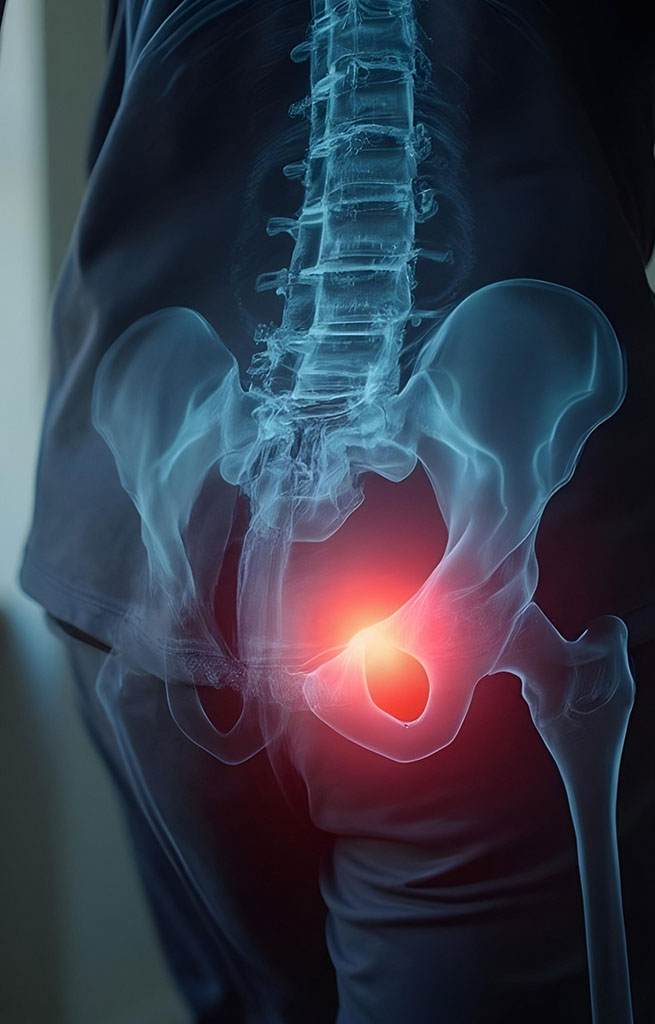
Possible Risks and Complications of Hip Replacement Surgery and How They Are Managed
Like all major surgical procedures, Hip Replacement Surgery carries certain risks. However, careful planning, advanced techniques, and comprehensive post-operative care help minimise potential complications.
Short-Term Risks
Infection
Although uncommon, infections may develop around the surgical site and require prompt medical management.
Blood Clots
Some patients may develop blood clots in the legs following surgery, which is why preventive measures are routinely implemented.
Pain and Swelling
Temporary discomfort, bruising, and swelling are expected during the early stages of recovery.
Bleeding
Minor bleeding may occur during or after surgery and is carefully monitored by the healthcare team.
Anaesthesia-Related Risks
Rare complications related to anaesthesia are minimised through thorough pre-operative assessment.
Long-Term Risks
Implant Wear and Loosening
Artificial hip components may gradually wear out or loosen over many years, particularly in highly active individuals.
Joint Dislocation
Although uncommon, the artificial hip joint may become displaced if excessive strain is placed on it during recovery.
Leg Length Differences
A small number of patients may notice minor differences in leg length following surgery.
Persistent Stiffness
Some patients may continue to experience mild stiffness despite successful surgery and rehabilitation.
Revision Surgery
In rare cases, additional surgery may be required if the implant becomes damaged or worn over time.
Managing and Reducing Risks
Thorough Medical Evaluation
Comprehensive assessment helps identify and manage potential risk factors before surgery.
Advanced Surgical Techniques
Modern surgical methods improve implant positioning, stability, and overall outcomes.
Structured Physiotherapy Programme
Guided rehabilitation supports healing, mobility, and long-term joint function.
Regular Follow-Up Care
Ongoing monitoring ensures early identification and management of any concerns during recovery.
Recovery and Support During Hip Replacement Rehabilitation
Recovery after Hip Replacement Surgery is a gradual process that focuses on restoring mobility, strength, and confidence. Most patients experience significant improvement within the first few months following surgery.
Diet and Nutrition
A nutritious diet rich in protein, vitamins, and minerals supports tissue healing, bone health, and overall recovery after surgery.
Exercise and Physical Activity
Physiotherapy and rehabilitation exercises play a vital role in restoring joint mobility, strengthening surrounding muscles, and improving balance and coordination.
Mental Health and Emotional Wellbeing
Adjusting to recovery after surgery can be challenging. Support from healthcare professionals, family members, and rehabilitation specialists can help patients stay motivated and engaged throughout the healing process.
Follow-Up Care and Recovery
Regular follow-up appointments allow specialists to monitor implant performance, assess recovery progress, and provide ongoing guidance to support long-term success.
Patient Stories

Hip Replacement by
Dr. Indranil Halder

LNICU by
Dr. Rajeev Kumar

CKD Diabetes
CKD Diabetes

Knee Replacement by
Knee Replacement

TNBC Survivor by
Dr. Abid Lone

Spine Surgery by
Dr. Saurabh Kumar Sinha

Brain Surgery by
Dr. Saurabh Kumar Sinha
Hip Replacement by
Dr. Indranil Halder
NICU by
Dr. Rajeev Kumar
CKD Diabetes
CKD Diabetes
Knee Replacement by
Knee Replacement
TNBC Survivor by
Dr. Abid Lone
Spine Surgery by
Dr. Saurabh Kumar Sinha
Brain Surgery by
Dr. Saurabh Kumar Sinha
Latest Blogs




Frequently Asked Questions
What is Hip Replacement Surgery?
Hip Replacement Surgery is a procedure that replaces damaged parts of the hip joint with artificial implants to relieve pain and improve mobility.
Who needs Hip Replacement Surgery?
The procedure is commonly recommended for patients with severe arthritis, hip fractures, avascular necrosis, or chronic hip pain that does not respond to conservative treatment.
How long does Hip Replacement Surgery take?
The surgery typically takes one to two hours, although the duration may vary depending on the complexity of the procedure and individual patient factors.
How long is the recovery period after Hip Replacement Surgery?
Most patients can resume many daily activities within several weeks, while complete recovery and maximum improvement may take several months.
Can I walk after Hip Replacement Surgery?
Yes. Most patients begin walking with assistance shortly after surgery and gradually progress to independent mobility during rehabilitation.
What are the benefits of Hip Replacement Surgery?
Hip Replacement Surgery can reduce pain, improve mobility, restore joint function, increase independence, and significantly enhance quality of life.