

Surgical Oncology at Our Hospitals
A cancer diagnosis changes everything. In the days and weeks that follow, you’re faced with decisions that feel enormous – and medical information that can be difficult to take in. Surgery is one of the most important tools in cancer treatment, and getting it right matters enormously. At Ujala Cygnus Hospitals, our surgical oncology team specialises in the surgical removal of cancerous tumours – working carefully, thoroughly, and always with your long-term health and quality of life in mind.
Surgical oncology isn’t just about removing a tumour. It’s about doing so in a way that gives you the best possible chance of recovery, preserves as much healthy tissue as possible, and fits into a wider treatment plan that may include chemotherapy, radiotherapy, or targeted therapy. Our surgeons are trained specifically in cancer surgery – understanding not just how to operate, but how cancer behaves, spreads, and responds to treatment.
We work closely with medical oncologists, radiation oncologists, pathologists, radiologists, reconstructive surgeons, and palliative care teams – so every decision about your care is made by people looking at the whole picture, not just one part of it.
If you or someone you love is facing cancer surgery, we want you to feel informed, supported, and confident in the care you’re receiving – from the first consultation through to recovery.
What is Surgical Oncology?
Surgical oncology is the branch of surgery that focuses on diagnosing and treating cancer through surgical procedures. It covers the removal of tumours, the surrounding tissue margin, and - where necessary - nearby lymph nodes, to reduce the risk of cancer returning or spreading.
Surgery is often the first and most important step in treating solid tumours - cancers that form a distinct mass in an organ or tissue. In some cases, surgery alone is enough to treat the cancer. In others, it works alongside chemotherapy or radiotherapy, either before surgery to shrink the tumour, or after to reduce the risk of recurrence.
Surgical oncologists also perform diagnostic procedures - biopsies and surgical staging - to confirm a cancer diagnosis and understand how far the disease has progressed, which directly shapes the treatment plan.
Types of Surgical Oncology
Cancer surgery covers a wide range of procedures across different organs and cancer types.
|
Subspecialty |
What it Addresses |
|
Breast Cancer Surgery |
Removal of breast tumours through lumpectomy or mastectomy, with options for immediate reconstruction. |
|
Gastrointestinal Cancer Surgery |
Surgery for cancers of the stomach, bowel, colon, rectum, oesophagus, and small intestine. |
|
Hepatobiliary & Pancreatic Surgery |
Complex surgery for cancers of the liver, bile ducts, gallbladder, and pancreas. |
|
Head & Neck Cancer Surgery |
Removal of tumours affecting the mouth, throat, tongue, thyroid, salivary glands, and neck lymph nodes. |
|
Gynaecological Cancer Surgery |
Surgery for cancers of the uterus, ovaries, cervix, vulva, and fallopian tubes. |
|
Urological Cancer Surgery |
Treatment of kidney, bladder, prostate, and testicular cancers through surgical removal or reconstruction. |
|
Thoracic Cancer Surgery |
Surgery for lung cancer and tumours affecting the chest wall, pleura, and mediastinum. |
|
Skin & Soft Tissue Cancer Surgery |
Removal of melanoma, sarcoma, and other skin or soft tissue cancers with reconstructive support where needed. |
|
Endocrine Cancer Surgery |
Surgery for cancers of the thyroid, parathyroid, and adrenal glands. |
Symptoms You Should Never Ignore
Cancer often develops quietly, without obvious signs in the early stages. That's what makes it easy to dismiss early symptoms as something less serious. If something doesn't feel right, get it checked. Early diagnosis almost always leads to better outcomes. See a doctor promptly if you notice any of the following:
- A Lump or Swelling: Any new, unexplained lump - in the breast, neck, armpit, groin, abdomen, or anywhere else - that wasn't there before or is growing.
- Unexplained Weight Loss: Losing weight without trying, particularly if it's happening quickly and you haven't changed your diet or activity levels.
- Persistent Fatigue: Tiredness that doesn't improve with rest and can't be explained by lifestyle or other illness.
- Changes in Bowel or Bladder Habits: Blood in the stool or urine, persistent diarrhoea or constipation, or a change in what's normal for you that lasts more than a few weeks.
- Difficulty Swallowing: Food or liquid feeling like it's getting stuck, or pain when swallowing that keeps coming back.
- Persistent Cough or Hoarseness: A cough that won't go away, coughing up blood, or a voice that has become noticeably hoarse without explanation.
- Unexplained Bleeding: Bleeding between periods, after the menopause, from the back passage, or coughing or vomiting blood.
- Abdominal Pain or Bloating: Persistent discomfort, pressure, or bloating in the abdomen - particularly if it's new or getting worse.
- Skin Changes: A mole that's changed shape, colour, or size, a sore that won't heal, or a new skin growth that looks unusual.
- Nipple or Breast Changes: Changes in breast shape, skin texture, nipple discharge, or pain that isn't related to your menstrual cycle.
These symptoms don't always mean cancer - but they should always be investigated. Don't wait and hope they go away.
When Should You Consult a Surgical Oncologist?
You should seek a consultation if you:
- Have been diagnosed with cancer and surgery has been recommended
- Have a suspicious lump or growth that needs assessment or biopsy
- Are experiencing symptoms that haven't been explained after initial tests
- Want a second opinion on a cancer diagnosis or surgical plan
- Have a family history of cancer and are concerned about a new symptom
- Have been told a tumour is inoperable and want to explore all options
- Need reconstructive surgery following cancer removal
- Are being considered for surgery before or after chemotherapy or radiotherapy
- Have had cancer previously and have developed new symptoms or concerns
- Want to understand all your treatment options before making a decision
You don't need to wait until things get worse. An early conversation with a surgical oncologist can make a significant difference to what's possible.
Cancers We Treat

Breast Cancer
We perform lumpectomy, mastectomy, sentinel lymph node biopsy, and axillary clearance, with access to immediate or delayed breast reconstruction for patients who need it.

Colorectal Cancer
Surgery for colon and rectal cancer, including laparoscopic (keyhole) and open resection, stoma formation where needed, and sphincter-preserving techniques to protect bowel function.
Stomach & Oesophageal Cancer
Surgical removal of stomach or oesophageal tumours, including partial or total gastrectomy and oesophagectomy, with careful attention to nutritional recovery.
Liver, Bile Duct & Gallbladder Cancer
Complex hepatobiliary surgery to remove tumours from the liver, bile ducts, and gallbladder - including liver resection and procedures for bile duct cancers.
Pancreatic Cancer
Specialist pancreatic surgery including the Whipple procedure (pancreaticoduodenectomy), distal pancreatectomy, and palliative bypass procedures for patients whose cancer cannot be fully removed.
Lung Cancer
Surgical removal of lung tumours through lobectomy, segmentectomy, or pneumonectomy - using minimally invasive techniques where possible to speed up recovery.
Advanced Surgical Procedures
Why Choose Ujala Cygnus Hospitals for Surgical Oncology?

Surgeons Trained Specifically in Cancer Surgery
Our surgical oncologists specialise in cancer - not just in operating, but in understanding how different cancers behave and what approach gives each patient the best chance of a good outcome.

Multidisciplinary Tumour Board
Every cancer case is reviewed by a team that includes surgeons, oncologists, radiologists, pathologists, and specialist nurses. Treatment decisions are made collectively, not in isolation – so you benefit from multiple expert perspectives before a plan is agreed.

Minimally Invasive Surgery Where Possible
We use laparoscopic and robotic techniques wherever appropriate, offering patients less pain, smaller scars, shorter hospital stays, and faster recovery without any compromise on cancer control.

Joined-Up Care From Diagnosis to Recovery
We coordinate with chemotherapy teams, radiation oncologists, reconstructive surgeons, nutritionists, and palliative care specialists - so your journey through treatment is smooth, well-managed, and properly supported at every stage.

Our Medical Experts

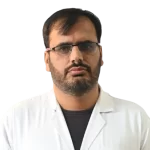
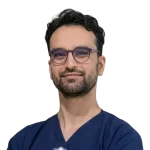
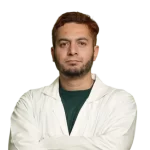

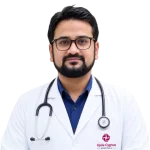

Diagnostics & Pre-Surgical Assessment





Patient Stories
Hip Replacement by
Dr. Indranil Halder
LNICU by
Dr. Rajeev Kumar
CKD Diabetes
CKD Diabetes
Knee Replacement by
Knee Replacement
TNBC Survivor by
Dr. Abid Lone
Spine Surgery by
Dr. Saurabh Kumar Sinha
Brain Surgery by
Dr. Saurabh Kumar Sinha
Hip Replacement by
Dr. Indranil Halder
NICU by
Dr. Rajeev Kumar
CKD Diabetes
CKD Diabetes
Knee Replacement by
Knee Replacement
TNBC Survivor by
Dr. Abid Lone
Spine Surgery by
Dr. Saurabh Kumar Sinha
Brain Surgery by
Dr. Saurabh Kumar Sinha
Latest Blogs




Frequently Asked Questions
Is surgery always needed for cancer?
Not always. Some cancers are treated with chemotherapy, radiotherapy, or targeted therapy alone. But for most solid tumours, surgery is a key part of treatment – either to remove the cancer, confirm the diagnosis, or reduce the tumour burden before other treatments.
What does a surgical oncologist do differently from a general surgeon?
Surgical oncologists have specialist training in cancer surgery – understanding cancer biology, tumour margins, lymph node management, and how surgery fits into a wider oncology treatment plan. This expertise makes a meaningful difference in complex cancer cases.
What is a clear margin, and why does it matter?
A clear margin means the surgeon has removed the tumour with a surrounding border of healthy tissue, and no cancer cells are found at the edge of what was removed. Clear margins significantly reduce the risk of cancer coming back in the same area.
Will I need chemotherapy or radiotherapy as well as surgery?
It depends on the type and stage of your cancer. Some patients need chemotherapy or radiotherapy before surgery to shrink the tumour, and others need it afterwards to reduce the risk of recurrence. Your multidisciplinary team will recommend the right combination for your situation.
How long will I be in hospital after cancer surgery?
It varies depending on the procedure. Keyhole surgery for smaller tumours may need just one to three days. Major operations – such as bowel resection, liver surgery, or oesophagectomy – typically need a hospital stay of one to two weeks, followed by a period of recovery at home.
Can cancer surgery be done using keyhole techniques?
Yes, in many cases. Laparoscopic and robotic surgery are now used routinely for colorectal, gynaecological, urological, and some upper gastrointestinal cancers – offering patients a faster recovery without compromising on cancer removal.
What is a second opinion, and should I get one?
A second opinion means having another specialist review your diagnosis and proposed treatment plan. It’s completely reasonable to seek one – particularly for complex or rare cancers – and most surgeons will actively encourage it. We are happy to provide second opinions for patients diagnosed elsewhere.
What happens if my cancer cannot be fully removed?
In some cases, complete removal isn’t possible. Surgery can still play an important role – debulking the tumour, relieving symptoms, or improving quality of life. Your team will be honest about what surgery can and cannot achieve, and will discuss all available options with you.
How soon after diagnosis should surgery take place?
Timing depends on the type and stage of cancer, and whether treatment before surgery (such as chemotherapy) is recommended. Your team will advise on the right timeline for your situation – balancing urgency with proper preparation.
Why choose Ujala Cygnus Hospitals for surgical oncology?
Specialist cancer surgeons, a full multidisciplinary team, minimally invasive techniques, honest consultations, and coordinated care from diagnosis through to recovery – all under one roof.