

Advanced Dialysis Treatment at Ujala Cygnus Hospitals
At Ujala Cygnus Hospitals, we provide comprehensive dialysis services for patients suffering from chronic kidney disease (CKD), acute kidney injury, kidney failure, and other conditions affecting kidney function. When the kidneys can no longer effectively filter waste and excess fluid from the blood, dialysis becomes essential to support the body's normal functioning.
Our nephrologists, dialysis specialists, and trained nursing teams work together to deliver safe, effective, and patient-centred care. We utilise advanced dialysis machines and follow stringent safety protocols to ensure optimal treatment outcomes and patient comfort.
Whether patients require short-term dialysis due to acute kidney injury or long-term renal replacement therapy for chronic kidney disease, our team provides continuous monitoring, counselling, and support throughout the treatment journey.
What is Dialysis?
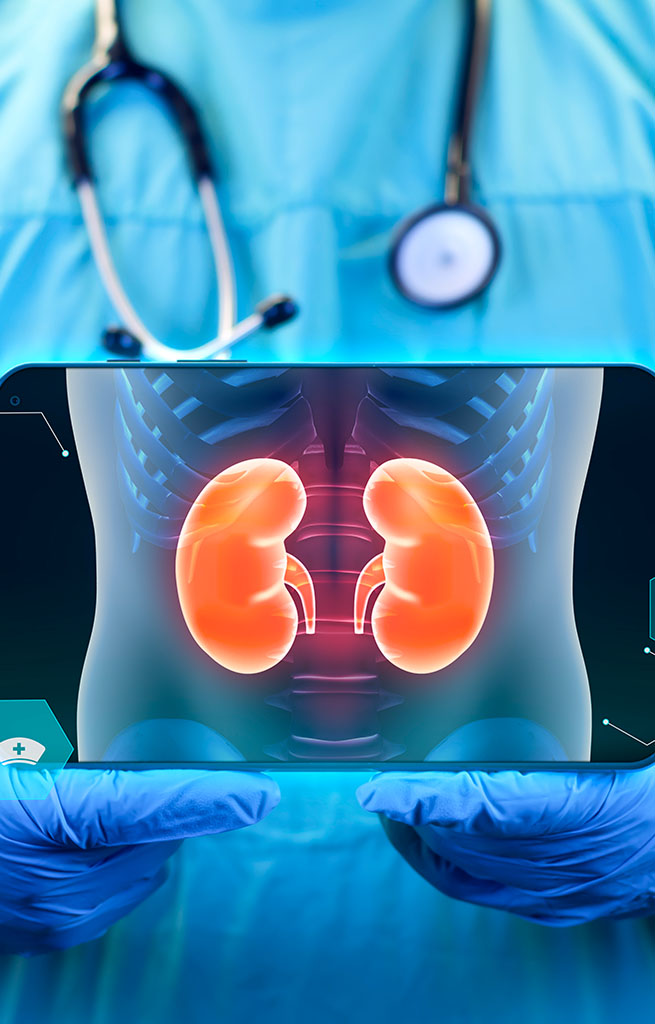
Dialysis is a medical treatment that performs some of the vital functions normally carried out by healthy kidneys. The treatment removes waste products, excess salts, toxins, and extra fluid from the bloodstream when the kidneys are unable to do so adequately.
Dialysis does not cure kidney disease, but it helps manage the condition and prevents serious complications associated with kidney failure. Depending on the patient's medical condition and lifestyle requirements, dialysis may be performed in different ways, including haemodialysis and peritoneal dialysis. Regular dialysis treatments help improve symptoms, maintain overall health, and support a better quality of life for people living with kidney disease.
Types of Dialysis
Haemodialysis
The most commonly used form of dialysis, where blood is filtered through a specialised dialysis machine to remove waste products and excess fluids before being returned to the body.
Peritoneal Dialysis
A treatment that uses the lining of the abdomen (peritoneum) as a natural filter to remove waste products and excess fluid from the blood.
Continuous Ambulatory Peritoneal Dialysis (CAPD)
A type of peritoneal dialysis performed manually several times a day, allowing patients greater flexibility and independence.
Automated Peritoneal Dialysis (APD)
A machine-assisted form of peritoneal dialysis typically performed during the night while the patient sleeps.
In-Centre Dialysis
Dialysis treatments conducted under the supervision of healthcare professionals at a specialised dialysis centre or hospital.
Emergency Dialysis
Urgent dialysis performed when kidney function suddenly declines, leading to dangerous fluid, electrolyte, or toxin build-up in the body.
Conditions Treated with Dialysis
Dialysis Procedure: What Happens During Treatment?
Benefits of Dialysis Treatment
Dialysis plays a crucial role in supporting patients with kidney failure and helping them maintain their health and daily functioning.
- Removes waste products and toxins from the blood
- Eliminates excess fluid from the body
- Helps regulate electrolyte balance
- Improves symptoms associated with kidney failure
- Reduces fatigue and weakness
- Supports better overall health and wellbeing
- Helps prevent life-threatening complications
- Improves quality of life for kidney disease patients
- Provides essential support while awaiting kidney transplantation
Why Choose Ujala Cygnus Hospitals for Dialysis Treatment?

Experienced Nephrology Specialists
Our nephrologists and dialysis experts have extensive experience in managing chronic kidney disease, kidney failure, and complex renal conditions.

Advanced Dialysis Technology
We utilise modern dialysis equipment and advanced treatment protocols to ensure safe, efficient, and comfortable care.

Personalised Treatment Plans
Each patient receives a customised dialysis programme tailored to their medical needs, lifestyle, and treatment goals.

Comprehensive Kidney Care
From diagnosis and dialysis management to transplant counselling and long-term follow-up, we provide complete kidney care under one roof.
Possible Risks and Complications of Dialysis and How They Are Managed
Dialysis is generally safe and highly effective. However, certain risks and side effects may occur during or after treatment.
Short-Term Risks
Low Blood Pressure
Some patients may experience a temporary drop in blood pressure during dialysis, leading to dizziness or weakness.
Muscle Cramps
Fluid removal during treatment may occasionally cause muscle cramps.
Fatigue
Patients may feel tired after dialysis sessions, especially during the initial stages of treatment.
Nausea
Temporary nausea may occur in some individuals during or after treatment.
Access Site Problems
Patients receiving haemodialysis may occasionally experience issues related to vascular access sites.
Long-Term Risks
Anaemia
Kidney disease and long-term dialysis can contribute to reduced red blood cell production.
Bone and Mineral Disorders
Changes in calcium and phosphorus balance may affect bone health over time.
Infection Risk
Patients with dialysis access sites may have a slightly increased risk of infection.
Cardiovascular Complications
Individuals with chronic kidney disease often have an increased risk of heart-related conditions.
Nutritional Deficiencies
Some patients may require dietary modifications and nutritional support during long-term treatment.
Managing and Reducing Risks
Regular Monitoring
Routine blood tests and health assessments help identify and manage complications early.
Skilled Dialysis Team
Experienced healthcare professionals ensure safe treatment delivery and ongoing patient support.
Individualised Treatment Adjustments
Dialysis schedules and treatment parameters are customised according to patient needs.
Dietary and Lifestyle Guidance
Patients receive nutritional counselling and lifestyle recommendations to support long-term kidney health.
Recovery and Support During Dialysis Treatment
Dialysis is an ongoing treatment rather than a one-time procedure. Maintaining a healthy lifestyle and adhering to medical advice are essential for achieving the best outcomes.
Diet and Nutrition
Patients may need to follow specific dietary recommendations regarding fluid intake, sodium, potassium, phosphorus, and protein consumption to support treatment effectiveness.
Physical Activity and Exercise
Regular physical activity, as advised by healthcare professionals, can help improve energy levels, muscle strength, and overall wellbeing.
Mental Health and Emotional Wellbeing
Living with chronic kidney disease and dialysis can be emotionally challenging. Counselling, patient education, and family support play important roles in maintaining mental wellbeing.
Follow-Up Care and Long-Term Management
Regular consultations with nephrologists, routine laboratory testing, medication management, and ongoing monitoring help ensure optimal treatment outcomes and overall health.
Patient Stories
Hip Replacement by
Dr. Indranil Halder

LNICU by
Dr. Rajeev Kumar

CKD Diabetes
CKD Diabetes
Knee Replacement by
Knee Replacement

TNBC Survivor by
Dr. Abid Lone
Spine Surgery by
Dr. Saurabh Kumar Sinha

Brain Surgery by
Dr. Saurabh Kumar Sinha
Hip Replacement by
Dr. Indranil Halder
NICU by
Dr. Rajeev Kumar
CKD Diabetes
CKD Diabetes
Knee Replacement by
Knee Replacement
TNBC Survivor by
Dr. Abid Lone
Spine Surgery by
Dr. Saurabh Kumar Sinha
Brain Surgery by
Dr. Saurabh Kumar Sinha
Latest Blogs




Frequently Asked Questions
What is dialysis and why is it needed?
Dialysis is a treatment that removes waste products, toxins, and excess fluid from the blood when the kidneys are unable to perform these functions adequately.
Who needs dialysis treatment?
Dialysis is typically recommended for patients with advanced chronic kidney disease, end-stage renal disease, acute kidney injury, or severe kidney failure.
How often is dialysis performed?
The frequency depends on the patient’s condition and type of dialysis. Haemodialysis is commonly performed three times per week, while peritoneal dialysis may be performed daily.
Is dialysis painful?
Most patients do not experience significant pain during dialysis, although some may feel mild discomfort during needle insertion or temporary side effects during treatment.
Can dialysis cure kidney disease?
No, dialysis does not cure kidney disease. It helps manage kidney failure by performing essential kidney functions and supporting overall health.
Can patients live a normal life while on dialysis?
Many patients continue to work, travel, and participate in daily activities while receiving dialysis, provided they follow their treatment plan and medical advice carefully.