

Advanced Heart Valve Replacement Surgery at Ujala Cygnus Hospitals
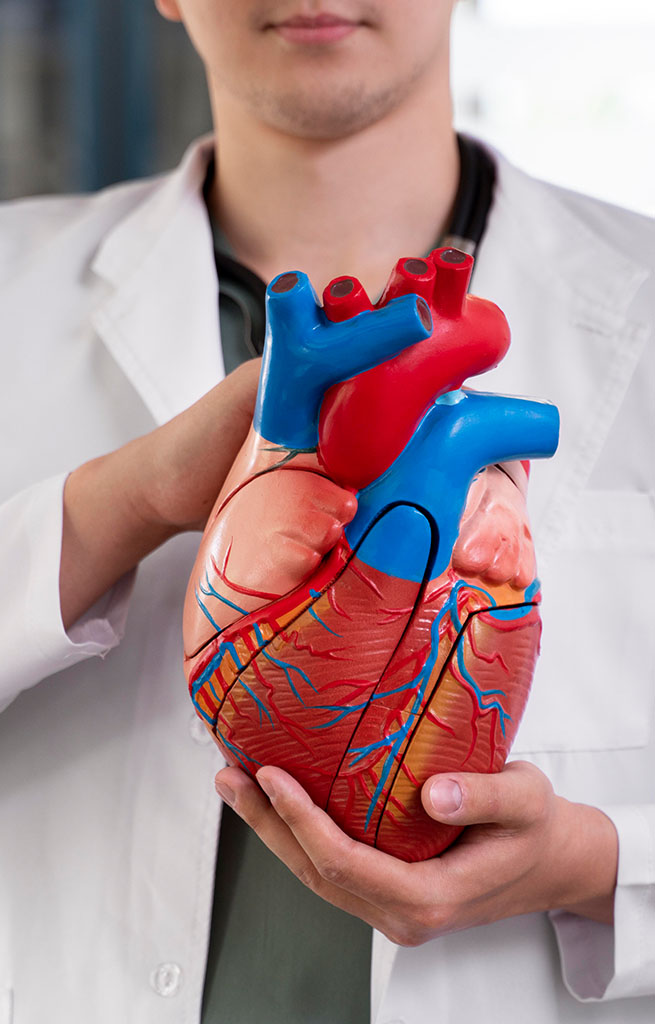
At Ujala Cygnus Hospitals, we offer comprehensive heart valve replacement surgery for patients suffering from severe heart valve disease. The heart contains four valves that regulate blood flow between its chambers and major blood vessels. When one or more valves become narrowed, damaged, stiff, or leaky, the heart has to work harder to pump blood effectively throughout the body.
Heart valve disorders can significantly affect a person's health and may lead to symptoms such as shortness of breath, fatigue, chest pain, irregular heartbeat, swelling in the legs, and reduced exercise capacity. If left untreated, severe valve disease can increase the risk of heart failure, stroke, and other serious cardiovascular complications.
Our multidisciplinary cardiac care team uses advanced diagnostic technologies and evidence-based treatment approaches to determine the most appropriate treatment plan. Heart Valve Replacement surgery is often recommended when valve repair is not possible or when the valve damage is too severe to be effectively managed through medication alone.
What is Heart Valve Replacement?
Heart Valve Replacement is a surgical procedure used to remove a damaged or diseased heart valve and replace it with an artificial or biological valve. The goal of the procedure is to restore proper blood flow through the heart, reduce symptoms, and prevent further damage to the heart muscle.
The replacement valve may be mechanical, made from durable synthetic materials, or biological, made from animal or human tissue. The choice of valve depends on several factors, including the patient's age, overall health, lifestyle, and medical condition. Heart Valve Replacement can significantly improve heart function, relieve symptoms, and enhance long-term quality of life for patients with severe valve disease.
Types of Heart Valve Replacement
Mechanical Valve Replacement
This procedure involves replacing the damaged heart valve with a durable mechanical valve designed to function effectively for many years.
Biological Valve Replacement
Biological or tissue valves are made from animal or donor tissue and closely mimic the function of a natural heart valve.
Aortic Valve Replacement
This surgery replaces a diseased aortic valve that affects blood flow from the heart to the rest of the body.
Mitral Valve Replacement
Mitral valve replacement is performed when the valve between the left atrium and left ventricle becomes severely damaged or dysfunctional.
Pulmonary Valve Replacement
This procedure replaces a damaged pulmonary valve that regulates blood flow from the heart to the lungs.
Transcatheter Aortic Valve Replacement (TAVR)
A minimally invasive procedure used in selected patients to replace a diseased aortic valve without open-heart surgery.
Conditions Treated with Heart Valve Replacement
Heart Valve Replacement Procedure: What Happens During Treatment?
Benefits of Heart Valve Replacement Surgery
Heart Valve Replacement can significantly improve heart function and help patients lead a healthier and more active life.
- Restores normal blood flow through the heart
- Improves overall heart function
- Relieves breathlessness and fatigue
- Reduces chest discomfort and dizziness
- Enhances exercise tolerance and physical activity
- Lowers the risk of heart failure complications
- Improves quality of life and daily functioning
- Supports long-term cardiovascular health
- Increases life expectancy in suitable patients
Why Choose Ujala Cygnus Hospitals for Heart Valve Replacement Surgery?

Experienced Cardiac Surgeons
Our highly skilled cardiac surgeons have extensive experience in performing complex heart valve procedures using modern surgical techniques.

Advanced Cardiac Care Infrastructure
We provide comprehensive cardiac care supported by advanced operation theatres, intensive care units, and modern diagnostic facilities.

Personalised Treatment Planning
Every patient receives a customised treatment approach based on their specific heart condition, overall health, and long-term care needs.

Comprehensive Rehabilitation Support
From diagnosis to recovery, our multidisciplinary team provides complete support to help patients achieve optimal treatment outcomes.
Possible Risks and Complications of Heart Valve Replacement and How They Are Managed
Like all major cardiac procedures, Heart Valve Replacement carries certain risks. However, careful planning and expert surgical care help minimise complications.
Short-Term Risks
Bleeding
Minor or significant bleeding may occur during or after surgery and is carefully monitored by the surgical team.
Infection
Infections involving the surgical site or heart valve are uncommon but may require prompt treatment.
Irregular Heart Rhythms
Some patients may experience temporary heart rhythm abnormalities following surgery.
Blood Clot Formation
Blood clots can occasionally develop and may require medication to reduce associated risks.
Anaesthesia-Related Complications
Rare complications associated with anaesthesia are minimised through detailed pre-operative assessment.
Long-Term Risks
Valve Degeneration
Biological valves may gradually wear out over time and require future replacement.
Blood Clot Risk
Patients with mechanical valves may require lifelong blood-thinning medication to prevent clot formation.
Valve Dysfunction
In rare cases, replacement valves may not function optimally and require further evaluation.
Stroke Risk
A small risk of stroke may exist due to blood clot formation or cardiovascular complications.
Ongoing Cardiac Monitoring Requirements
Patients may require regular follow-up appointments to assess valve performance and heart health.
Managing and Reducing Risks
Comprehensive Cardiac Assessment
Detailed investigations help identify and address risk factors before surgery.
Experienced Surgical Team
Highly trained cardiac specialists follow evidence-based treatment protocols to improve safety and outcomes.
Advanced Post-Operative Monitoring
Close monitoring during recovery helps detect and manage complications early.
Long-Term Follow-Up Care
Regular cardiac evaluations help ensure the replacement valve continues to function effectively.
Recovery and Support After Heart Valve Replacement Surgery
Recovery after Heart Valve Replacement varies depending on the patient's overall health, surgical approach, and type of valve used. A structured recovery plan plays a vital role in achieving the best outcomes.
Diet and Nutrition
A heart-healthy diet rich in fruits, vegetables, lean proteins, whole grains, and healthy fats supports healing and long-term cardiovascular wellness.
Exercise and Cardiac Rehabilitation
Cardiac rehabilitation programmes help patients gradually rebuild strength, improve heart function, and safely return to daily activities.
Emotional and Mental Wellbeing
Major heart surgery can be emotionally challenging. Ongoing support from healthcare professionals and family members can help patients adjust during recovery.
Follow-Up Care and Long-Term Monitoring
Regular consultations, echocardiograms, medication reviews, and cardiac assessments help monitor recovery and maintain heart health.
Patient Stories
Hip Replacement by
Dr. Indranil Halder
LNICU by
Dr. Rajeev Kumar

CKD Diabetes
CKD Diabetes
Knee Replacement by
Knee Replacement
TNBC Survivor by
Dr. Abid Lone
Spine Surgery by
Dr. Saurabh Kumar Sinha

Brain Surgery by
Dr. Saurabh Kumar Sinha
Hip Replacement by
Dr. Indranil Halder
NICU by
Dr. Rajeev Kumar
CKD Diabetes
CKD Diabetes
Knee Replacement by
Knee Replacement
TNBC Survivor by
Dr. Abid Lone
Spine Surgery by
Dr. Saurabh Kumar Sinha
Brain Surgery by
Dr. Saurabh Kumar Sinha
Latest Blogs




Frequently Asked Questions
What is Heart Valve Replacement surgery?
Heart Valve Replacement is a procedure that replaces a damaged or diseased heart valve with a mechanical or biological valve to restore normal blood flow and heart function.
Who needs Heart Valve Replacement surgery?
The procedure is typically recommended for patients with severe heart valve disease, valve stenosis, valve regurgitation, congenital valve defects, or advanced valve dysfunction.
How long does Heart Valve Replacement surgery take?
The procedure generally takes several hours, depending on the type of valve being replaced and the complexity of the patient’s condition.
What is the recovery time after Heart Valve Replacement?
Most patients require several weeks to months for complete recovery, depending on their overall health and participation in rehabilitation programmes.
How long do replacement heart valves last?
Mechanical valves can last for decades, while biological valves may last between 10 and 20 years depending on various patient factors.
Can patients return to normal activities after Heart Valve Replacement?
Many patients can return to normal daily activities, work, and moderate exercise after recovery and completion of their rehabilitation programme, subject to medical guidance.