

Ophthalmology Care at Our Hospitals
Good vision is essential for maintaining independence, productivity, and overall quality of life. At Ujala Cygnus Hospitals, our Ophthalmology Department offers comprehensive eye care services, from routine eye examinations to advanced medical and surgical treatment for complex eye diseases. Our experienced ophthalmologists combine clinical expertise with modern technology to diagnose, treat, and prevent a wide range of eye conditions affecting patients of all ages.
We provide specialised care for cataracts, glaucoma, diabetic retinopathy, retinal disorders, corneal diseases, refractive errors, dry eye syndrome, paediatric eye conditions, and age-related eye diseases. Using advanced diagnostic equipment and minimally invasive surgical techniques, our specialists focus on early diagnosis, precise treatment, and long-term vision preservation.
Our multidisciplinary approach ensures that patients with diabetes, hypertension, autoimmune diseases, and neurological disorders receive coordinated eye care alongside other medical specialties. Every treatment plan is personalised to improve visual outcomes while maintaining the highest standards of patient safety and comfort.
At Ujala Cygnus Hospitals, we are committed to protecting your vision through compassionate care, advanced ophthalmic technology, and evidence-based treatment.
What is Ophthalmology?
Ophthalmology is the branch of medicine that focuses on the diagnosis, treatment, and prevention of diseases affecting the eyes and vision. An ophthalmologist is a medical doctor trained to manage a wide range of eye conditions, from common vision problems and cataracts to glaucoma, retinal diseases, corneal disorders, diabetic eye disease, childhood eye conditions, and eye injuries. Treatment may involve medication, laser procedures, or advanced eye surgery to preserve and restore vision.
Types of Ophthalmology Care
Eye care involves several specialised fields to ensure patients receive expert treatment for different vision and eye health conditions.
|
Subspecialty |
What it Addresses |
|
Comprehensive Ophthalmology |
Routine eye examinations, vision assessment, refractive errors, eye infections, dry eye disease, and preventive eye care for patients of all ages. |
|
Cataract & Refractive Surgery |
Diagnosis and treatment of cataracts using advanced phacoemulsification surgery and premium intraocular lenses, along with vision correction procedures for suitable patients. |
|
Glaucoma Services |
Early detection, medical management, laser treatment, and surgery for glaucoma to protect the optic nerve and preserve vision. |
|
Retina & Vitreous Care |
Diagnosis and treatment of diabetic retinopathy, retinal detachment, age-related macular degeneration (AMD), retinal vein occlusion, and other retinal disorders. |
|
Cornea & Ocular Surface Services |
Management of corneal infections, corneal injuries, keratoconus, dry eye syndrome, and other disorders affecting the front surface of the eye. |
|
Paediatric Ophthalmology & Squint |
Evaluation and treatment of childhood eye diseases, lazy eye (amblyopia), squint (strabismus), congenital cataracts, and vision development disorders. |
Symptoms You Should Never Ignore
Many eye diseases progress slowly and may not cause noticeable symptoms until vision is affected. Early diagnosis is the key to protecting eyesight and preventing permanent vision loss.
- Blurred or Reduced Vision: Sudden or gradual changes in vision that interfere with reading, driving, or daily activities.
- Eye Pain or Redness: Persistent pain, redness, swelling, or irritation that does not improve with routine care.
- Flashes of Light or Floaters: Sudden appearance of flashes, floaters, or a shadow over your vision may indicate a retinal problem requiring urgent attention.
- Persistent Headaches or Eye Strain: Frequent headaches, difficulty focusing, or eye fatigue while reading or using digital devices.
- Double Vision: Seeing two images of a single object may indicate an eye muscle or neurological condition requiring evaluation.
- Difficulty Seeing at Night: Poor night vision or increased sensitivity to glare while driving or walking after dark.
- Excessive Tearing or Dry Eyes: Persistent watering, dryness, burning sensation, or discomfort affecting daily life.
- Loss of Peripheral Vision: Difficulty seeing objects to the side may be an early sign of glaucoma.
- Sudden Vision Loss: Any sudden decrease or complete loss of vision requires immediate emergency eye care.
- Frequent Eye Infections: Recurrent infections, discharge, or swelling around the eyes should always be examined by an ophthalmologist.
If you or a family member experiences any of these symptoms, seek immediate consultation with an eye specialist to prevent long-term vision problems.
When Should You Consult an Ophthalmologist?
You should consider scheduling a comprehensive eye examination if you:
- Experience blurred vision or difficulty seeing clearly.
- Have diabetes, high blood pressure, or other chronic medical conditions that may affect your eyes.
- Are over the age of 40 and require routine glaucoma and vision screening.
- Have a family history of glaucoma, retinal disorders, or inherited eye diseases.
- Notice eye pain, redness, flashes of light, or sudden vision changes.
- Have cataracts, dry eyes, or recurrent eye infections.
- Require children's eye examinations for squint, lazy eye, or vision development concerns.
- Wear spectacles or contact lenses and need regular vision assessments.
- Have suffered an eye injury or trauma.
- Wish to maintain healthy vision through regular preventive eye care.
Early consultation with an ophthalmologist helps detect eye diseases before vision is permanently affected, ensuring timely treatment and better long-term eye health.
Advanced Ophthalmology Care at Ujala Cygnus Hospitals
The Ophthalmology Department at Ujala Cygnus Hospitals provides advanced medical and surgical eye care using state-of-the-art diagnostic equipment and modern ophthalmic procedures. Our specialists focus on early detection, accurate diagnosis, and personalised treatment to prevent vision loss and improve long-term eye health.
We offer comprehensive management for cataracts, glaucoma, retinal diseases, diabetic eye disease, corneal disorders, uveitis, dry eye syndrome, and refractive errors. Our services include advanced eye imaging, Optical Coherence Tomography (OCT), fundus photography, visual field analysis, laser treatments, microsurgical procedures, and minimally invasive eye surgeries.
Patients benefit from coordinated care delivered by experienced ophthalmologists, retina specialists, cornea specialists, and optometrists working together to provide the most appropriate treatment. We also emphasise preventive eye screening, especially for individuals with diabetes, hypertension, advancing age, or a family history of eye disease.
Through advanced technology, personalised treatment, and continuous follow-up, we strive to preserve vision, improve eye health, and enhance quality of life.
Ophthalmology Treatment: What Happens During Your Eye Care Journey?
Comprehensive Eye Examination & Advanced Diagnosis
Your treatment begins with a detailed eye examination conducted by our ophthalmologists. Depending on your symptoms, we perform vision assessment, intraocular pressure measurement, slit-lamp examination, retinal evaluation, Optical Coherence Tomography (OCT), visual field testing, fundus photography, corneal topography, or other advanced diagnostic tests to accurately identify the underlying eye condition.
Personalised Medical or Surgical Treatment
Based on the diagnosis, our specialists develop a customised treatment plan that may include medications, prescription glasses, laser therapy, minimally invasive procedures, or advanced eye surgery. Every treatment is tailored to preserve vision, relieve symptoms, and improve your long-term eye health.
Continuous Follow-up & Vision Monitoring
Regular follow-up appointments are essential to monitor recovery, assess treatment effectiveness, and detect any changes in eye health. Our ophthalmologists provide ongoing guidance, periodic eye examinations, and long-term monitoring to help maintain healthy vision and prevent future complications.
Benefits of Expert Ophthalmology Care
Timely diagnosis and specialist-led eye care can prevent vision loss, improve eyesight, and enhance overall quality of life. At Ujala Cygnus Hospitals, we combine advanced technology with personalised treatment to deliver the best possible visual outcomes.
Benefits include:
- Early detection of sight-threatening eye diseases
- Accurate diagnosis using advanced ophthalmic technology
- Personalised treatment plans for every patient
- Improved vision and enhanced quality of life
- Prevention of permanent vision loss
- Advanced cataract surgery with faster visual recovery
- Better control of glaucoma and diabetic eye disease
- Modern laser treatments for selected eye conditions
- Comprehensive eye care for children and adults
- Multidisciplinary management for diabetes-related eye complications
- Regular vision monitoring and preventive eye screening
- Compassionate care with long-term follow-up support
Recovery & Long-Term Eye Care Support
Maintaining healthy vision requires ongoing care even after successful treatment. At Ujala Cygnus Hospitals, we provide comprehensive follow-up care, preventive eye screening, and personalised guidance to help patients protect their eyesight and reduce the risk of future eye problems.
Regular Eye Examinations
Routine eye check-ups help detect changes in vision and identify eye diseases at an early stage, often before noticeable symptoms develop. Regular monitoring is especially important for older adults, people with diabetes, and those with a family history of eye disease.
Managing Chronic Eye Conditions
Conditions such as glaucoma, diabetic retinopathy, age-related macular degeneration, and dry eye syndrome require continuous monitoring and treatment. Our specialists provide long-term management plans to preserve vision and prevent disease progression.
Healthy Lifestyle & Vision Protection
Good nutrition, regular physical activity, blood sugar control, blood pressure management, and protection from harmful UV rays all contribute to better eye health. Our team educates patients on lifestyle changes that support lifelong vision.
Medication Adherence & Follow-Up Care
Using prescribed eye drops, medications, or protective eyewear as directed is essential for successful treatment. Regular follow-up appointments allow our ophthalmologists to monitor progress and make necessary adjustments to your care plan.
Patient Education & Preventive Eye Care
Our specialists empower patients with practical advice on eye hygiene, digital eye strain prevention, workplace eye safety, and recognising early warning signs of serious eye conditions, helping them maintain healthy vision throughout life.
Eye Conditions We Treat

Cataracts
A cataract occurs when the natural lens of the eye becomes cloudy, causing blurred vision, glare, and difficulty seeing clearly. Our specialists perform advanced cataract surgery using modern intraocular lens (IOL) implantation techniques to restore clear vision.

Glaucoma
Glaucoma is a group of eye diseases that damage the optic nerve, often due to increased eye pressure. Early diagnosis and timely treatment are essential to prevent permanent vision loss.

Diabetic Retinopathy
Diabetes can damage the small blood vessels of the retina, leading to diabetic retinopathy and vision impairment. Regular screening and early treatment help preserve eyesight and reduce complications.

Retinal Disorders
Our specialists diagnose and manage retinal conditions such as retinal detachment, macular degeneration, retinal vein occlusion, and macular holes using advanced retinal imaging and surgical techniques.

Corneal Diseases
The cornea plays a vital role in focusing vision. We treat corneal infections, injuries, keratoconus, corneal ulcers, and degenerative corneal diseases through medical and surgical interventions.

Dry Eye Syndrome & Refractive Errors
Dry eyes, short-sightedness, long-sightedness, astigmatism, and age-related vision changes can affect daily life. Our ophthalmologists provide personalised treatment, corrective lenses, and refractive surgery options to improve visual comfort and clarity.
Advanced Ophthalmology Procedures
Why Choose Ujala Cygnus Hospitals for Ophthalmology Care?

Advanced Eye Care Infrastructure & Modern Technology
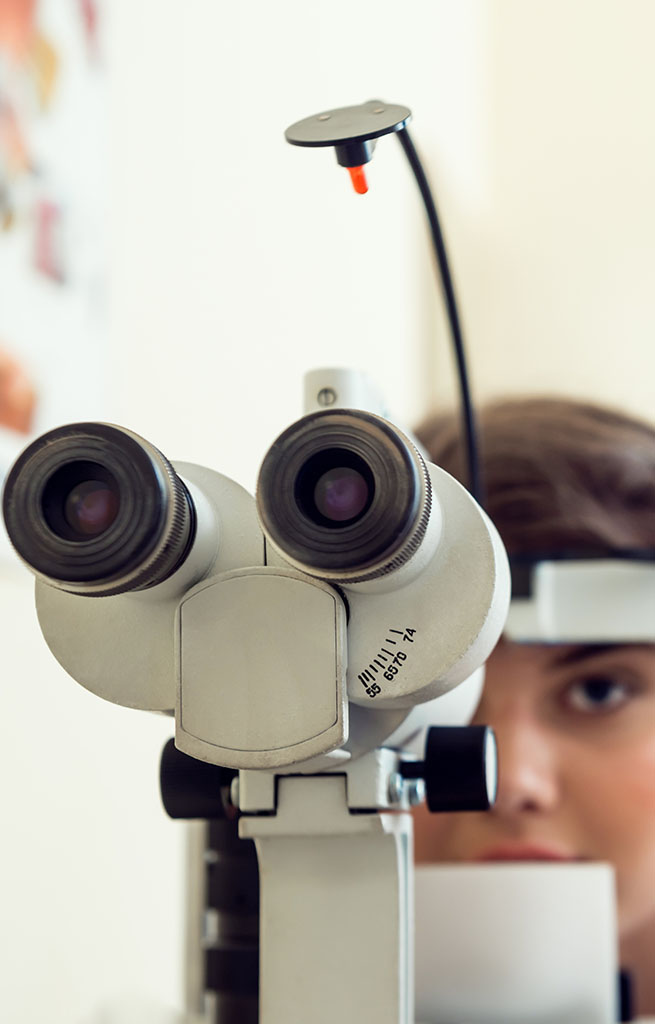
Our Ophthalmology Department is equipped with advanced diagnostic systems, including OCT, digital retinal imaging, visual field analysers, slit-lamp microscopy, biometry, and modern operating microscopes to ensure accurate diagnosis and safe surgical outcomes.

Comprehensive Eye Care Under One Roof
From routine eye examinations and cataract surgery to retinal disorders, glaucoma management, paediatric ophthalmology, corneal diseases, and diabetic eye care, we provide complete ophthalmology services through a multidisciplinary approach.

Experienced Ophthalmologists & Personalised Treatment
Our experienced eye specialists provide evidence-based treatment using the latest medical and surgical techniques. Every patient receives an individualised care plan designed to protect vision and achieve the best possible outcomes.

Ayushman Bharat & Cashless Empanelments
Ujala Cygnus Hospitals are empanelled with PM-JAY, CGHS, ECHS, ESIC, and leading insurance providers, ensuring accessible, affordable eye care with dedicated support for seamless cashless claim processing.
Our Medical Experts



Ophthalmology Diagnostics at Ujala Cygnus Hospitals






Patient Stories
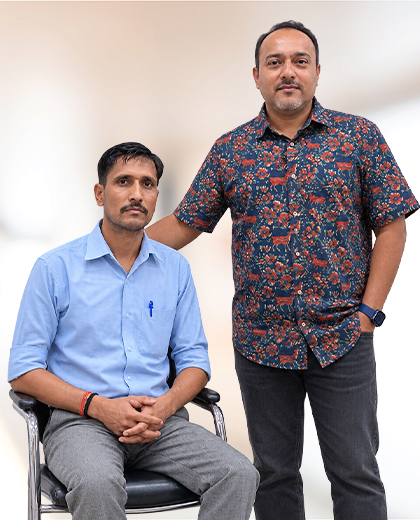
Hip Replacement by
Dr. Indranil Halder

LNICU by
Dr. Rajeev Kumar

CKD Diabetes
CKD Diabetes
Knee Replacement by
Knee Replacement
TNBC Survivor by
Dr. Abid Lone

Spine Surgery by
Dr. Saurabh Kumar Sinha

Brain Surgery by
Dr. Saurabh Kumar Sinha
Hip Replacement by
Dr. Indranil Halder
NICU by
Dr. Rajeev Kumar
CKD Diabetes
CKD Diabetes
Knee Replacement by
Knee Replacement
TNBC Survivor by
Dr. Abid Lone
Spine Surgery by
Dr. Saurabh Kumar Sinha
Brain Surgery by
Dr. Saurabh Kumar Sinha
Latest Blogs




Frequently Asked Questions
When should I consult an ophthalmologist?
You should consult an ophthalmologist if you experience blurred vision, eye pain, redness, excessive tearing, flashes of light, floaters, double vision, or sudden changes in eyesight. Routine eye examinations are also recommended even if you have no symptoms.
What are the early signs of cataracts?
Common symptoms include blurred or cloudy vision, glare from lights, difficulty seeing at night, faded colours, and frequent changes in spectacle prescription.
How often should people with diabetes have an eye examination?
People with diabetes should undergo a comprehensive dilated eye examination at least once a year, or more frequently if recommended by their ophthalmologist.
Can LASIK permanently correct vision?
LASIK can significantly reduce dependence on spectacles or contact lenses for suitable candidates. However, eligibility depends on age, eye health, corneal thickness, and refractive error.
How can I protect my eyesight?
Regular eye examinations, a healthy diet rich in vitamins, proper blood sugar control, UV-protective sunglasses, avoiding smoking, and limiting excessive screen time all help maintain healthy vision.
What is the difference between an ophthalmologist and an optometrist?
An ophthalmologist is a medical doctor who diagnoses, treats, and performs surgery for eye diseases, while an optometrist primarily provides vision testing, prescribes glasses or contact lenses, and detects common eye problems.
Can glaucoma be cured?
Glaucoma cannot usually be cured, but early diagnosis and treatment can effectively control eye pressure and prevent further damage to the optic nerve.
Is cataract surgery safe?
Yes. Cataract surgery is one of the safest and most commonly performed surgical procedures worldwide, with excellent success rates when performed by experienced ophthalmologists.
What causes dry eye syndrome?
Dry eyes may result from ageing, prolonged screen use, environmental factors, hormonal changes, certain medications, or underlying medical conditions affecting tear production.
Why choose Ujala Cygnus Hospitals for ophthalmology care?
Ujala Cygnus Hospitals offer comprehensive eye care through experienced ophthalmologists, advanced diagnostic technology, modern surgical techniques, personalised treatment plans, and long-term follow-up to help preserve and restore vision.