

Advanced Angiography Services at Ujala Cygnus Hospitals
At Ujala Cygnus Hospitals, we offer comprehensive angiography services to accurately diagnose conditions affecting the heart and blood vessels. Angiography is considered one of the most effective diagnostic tools for evaluating blood circulation and identifying cardiovascular problems before they lead to serious complications such as heart attack, stroke, or peripheral artery disease.
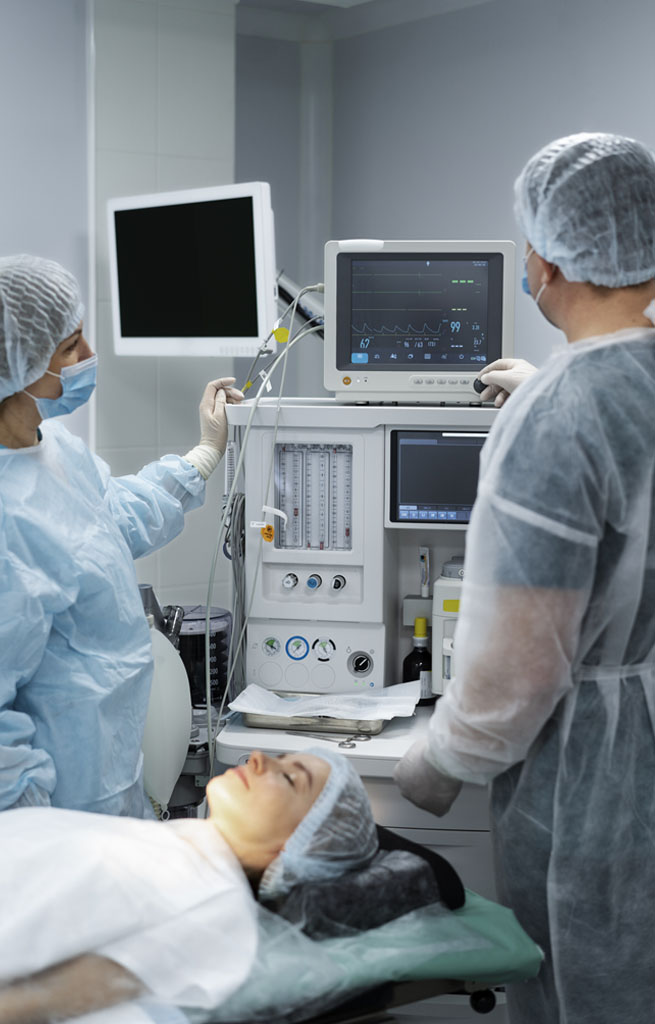
Our expert cardiology team uses modern catheter-based techniques and advanced imaging systems to provide precise diagnostic information while ensuring patient comfort and safety. The procedure helps doctors determine the location and severity of arterial blockages, allowing them to recommend the most suitable treatment plan.
Whether patients are experiencing chest pain, shortness of breath, abnormal stress test results, or symptoms of poor circulation, angiography provides valuable insights that support early intervention and better long-term cardiovascular health.
What is Angiography?
Angiography is a specialised diagnostic procedure that uses contrast dye and X-ray imaging to visualise blood vessels throughout the body. During the procedure, a thin catheter is inserted into a blood vessel, usually through the wrist or groin, and guided to the area being examined. A contrast dye is then injected to produce detailed images of the arteries and veins.
The procedure helps identify narrowing, blockages, aneurysms, blood vessel abnormalities, and reduced blood flow. Angiography is commonly used to diagnose coronary artery disease, peripheral artery disease, carotid artery disease, and other vascular conditions. It allows doctors to assess the extent of disease and determine whether treatments such as medication, angioplasty, or surgery may be required.
Types of Angiography
Coronary Angiography
The most commonly performed angiography procedure used to evaluate blood flow in the coronary arteries supplying the heart.
Cerebral Angiography
Used to examine blood vessels in the brain and identify aneurysms, narrowing, vascular malformations, or stroke-related abnormalities.
Peripheral Angiography
Evaluates blood vessels in the arms, legs, and other peripheral regions to diagnose circulation problems and arterial blockages.
Pulmonary Angiography
Performed to assess blood vessels in the lungs and detect conditions such as pulmonary embolism.
Renal Angiography
Used to examine blood vessels supplying the kidneys and identify narrowing or vascular abnormalities.
CT Angiography
A non-invasive imaging technique that uses CT scanning and contrast dye to visualise blood vessels without catheter insertion.
Conditions Diagnosed with Angiography
Angiography Procedure: What Happens During Treatment
Benefits of Angiography
Angiography is considered one of the most reliable diagnostic procedures for evaluating cardiovascular and vascular health. It provides detailed information that helps doctors make accurate treatment decisions.
- Provides precise visualisation of blood vessels
- Detects arterial blockages and narrowing accurately
- Helps diagnose heart and vascular diseases early
- Supports timely treatment planning
- Assists in preventing heart attacks and strokes
- Minimally invasive with a relatively short recovery period
- Can be combined with angioplasty when required
- Improves treatment outcomes through accurate diagnosis
- Supports long-term cardiovascular health management
Why Choose Ujala Cygnus Hospitals for Angiography?

Experienced Cardiology Specialists
Our highly skilled cardiologists and vascular specialists have extensive experience in performing diagnostic and interventional cardiovascular procedures.

Advanced Imaging Technology
We use modern angiography suites and high-resolution imaging systems to provide accurate diagnostic results with enhanced patient safety.

Patient-Centred Care
From diagnosis to treatment planning, our team focuses on personalised care and clear communication throughout the patient's healthcare journey.

Comprehensive Cardiac Services
We offer a full spectrum of cardiac diagnostics, interventions, rehabilitation, and preventive care under one roof.
Possible Risks and Complications of Angiography and How They Are Managed
Angiography is generally considered a safe procedure. However, like all medical procedures, certain risks may occur in rare cases.
Short-Term Risks
Bruising at the Catheter Site
Mild bruising or soreness may occur where the catheter was inserted.
Bleeding
Minor bleeding can occur at the insertion site but is usually controlled quickly.
Allergic Reaction to Contrast Dye
Some patients may experience allergic reactions, which are managed promptly by the medical team.
Temporary Changes in Heart Rhythm
Rarely, patients may experience temporary irregular heartbeats during the procedure.
Infection
Although uncommon, infections can occur at the catheter insertion site.
Long-Term Risks
Blood Vessel Injury
Rare injury to blood vessels may occur during catheter placement.
Kidney Function Changes
Patients with pre-existing kidney disease may experience temporary effects from contrast dye exposure.
Blood Clot Formation
In very rare situations, blood clots may develop following vascular procedures.
Contrast-Induced Complications
Certain individuals may require additional monitoring after receiving contrast dye.
Radiation Exposure
The radiation used during angiography is carefully controlled and kept as low as possible.
Managing and Reducing Risks
Thorough Pre-Procedure Assessment
Comprehensive evaluation helps identify risk factors before the procedure.
Advanced Safety Protocols
Modern equipment and evidence-based protocols improve procedural safety.
Experienced Medical Team
Skilled specialists monitor patients throughout the procedure and recovery period.
Post-Procedure Monitoring
Careful observation ensures early identification and management of any complications.
Recovery and Support After Angiography
Recovery from angiography is usually quick, with most patients resuming normal activities within a short period.
Diet and Nutrition
Patients are encouraged to drink plenty of fluids after the procedure to help eliminate contrast dye from the body and support recovery.
Physical Activity
Strenuous activities and heavy lifting should be avoided for a short period as advised by the treating doctor.
Emotional Wellbeing
Understanding the results of angiography and discussing treatment options with specialists can help reduce anxiety and support informed decision-making.
Follow-Up Care and Recovery
Regular follow-up appointments ensure appropriate management of any diagnosed cardiovascular condition and help maintain long-term heart health.
Patient Stories
Hip Replacement by
Dr. Indranil Halder

LNICU by
Dr. Rajeev Kumar

CKD Diabetes
CKD Diabetes
Knee Replacement by
Knee Replacement

TNBC Survivor by
Dr. Abid Lone
Spine Surgery by
Dr. Saurabh Kumar Sinha

Brain Surgery by
Dr. Saurabh Kumar Sinha
Hip Replacement by
Dr. Indranil Halder
NICU by
Dr. Rajeev Kumar
CKD Diabetes
CKD Diabetes
Knee Replacement by
Knee Replacement
TNBC Survivor by
Dr. Abid Lone
Spine Surgery by
Dr. Saurabh Kumar Sinha
Brain Surgery by
Dr. Saurabh Kumar Sinha
Latest Blogs




Frequently Asked Questions
What is angiography used for?
Angiography is used to examine blood vessels and diagnose conditions such as coronary artery disease, arterial blockages, aneurysms, and circulation problems.
Is angiography painful?
Most patients experience minimal discomfort during angiography. Local anaesthesia is used at the catheter insertion site to improve comfort.
How long does an angiography procedure take?
The procedure typically takes between 30 and 60 minutes, although the duration may vary depending on the area being examined.
Is angiography safe?
Yes, angiography is generally considered a safe and commonly performed diagnostic procedure when conducted by experienced specialists.
How long is recovery after angiography?
Most patients recover quickly and can often return home the same day, with normal activities resumed within a few days.
What happens if a blockage is found during angiography?
If a significant blockage is detected, the doctor may recommend treatments such as medication, angioplasty, stenting, or surgery depending on the severity of the condition.