

Emergency & Trauma Care at Ujala Cygnus Hospitals
Every medical emergency is a race against time. Whether it is a road accident, heart attack, stroke, or severe injury, timely medical intervention can significantly influence outcomes. At Ujala Cygnus Hospitals, our Emergency & Trauma Care departments are designed to deliver rapid assessment, stabilisation, and treatment, ensuring that patients receive the right care when every second matters.
As one of North India's largest NABH-accredited hospital chains, Ujala Cygnus operates 25 multi-super speciality hospitals across Haryana, Uttar Pradesh, Delhi, Uttarakhand, Punjab, and Jammu & Kashmir. Our emergency teams include trained emergency physicians, trauma specialists, critical care nurses, and on-call experts from multiple specialties, available 24×7. Supported by well-equipped facilities and a protocol-driven approach, we provide prompt and coordinated emergency care closer to home for communities across Tier 2 and Tier 3 cities.
When to Seek Emergency Care?
Knowing when to seek emergency care can make all the difference, not just to recovery, but to survival. Some symptoms demand immediate attention even if they seem to ease up for a moment, because the underlying cause may still be serious and fast-moving. At Ujala Cygnus, our emergency departments are open around the clock, and our teams are always ready. When something feels urgently wrong, do not wait.
Here are situations where you should come in right away:
- Chest pain or discomfort — Sudden chest pain, pressure, or tightness, particularly if accompanied by breathlessness, sweating, or nausea, could point to a cardiac emergency. Do not try to manage this at home.
- Difficulty breathing — Acute breathlessness, wheezing, bluish lips, or unusually rapid breathing are signs that something serious may be affecting your heart or lungs and needs immediate evaluation.
- Signs of a stroke — Sudden weakness or numbness on one side of the body, slurred speech, facial drooping, loss of balance, or abrupt changes in vision are warning signs that cannot wait. Time lost is brain lost.
- Severe injuries or trauma — Injuries from road accidents, falls, burns, or heavy impact, especially those involving uncontrolled bleeding, suspected fractures, or a head injury, need prompt emergency attention.
- Loss of consciousness or seizures — Fainting, collapse, seizures, or unresponsiveness are always medical emergencies, regardless of how briefly they last or how quickly the person seems to recover.
- Severe abdominal pain or vomiting — Intense or persistent abdominal pain, vomiting blood, or sudden abdominal swelling may indicate internal bleeding, infection, or a surgical emergency.
- High fever with altered behaviour — A very high fever combined with confusion, drowsiness, breathing difficulty, or persistent vomiting, particularly in children or older adults, needs to be assessed without delay.
- Any symptom that feels serious — If something feels severe, unusual, or getting worse quickly, trust that feeling. It is always better to come in and be reassured than to wait and wish you had not.
Emergencies and Trauma Conditions We Manage
From acute medical crises to severe injuries, we provide rapid care for diverse medical emergencies.

Cardiac Emergencies
From heart attacks to dangerous arrhythmias, our cardiology-backed emergency teams respond immediately, stabilising the patient, running diagnostics, and moving to intervention without losing a minute.

Stroke Care
Every second of a stroke causes irreversible damage. Our neurologists and emergency physicians work together to identify the type of stroke, administer the right treatment, and limit long-term impact, all within the critical window.

Trauma & Road Accidents
High-impact injuries from road accidents, falls, and industrial incidents require rapid assessment and coordinated care across multiple specialities. Our trauma surgeons and critical care teams are on call 24×7 to manage even the most complex polytrauma cases.
Respiratory Emergencies
Sudden breathlessness, acute asthma attacks, pulmonary embolisms, our teams are equipped to stabilise and treat severe respiratory crises with the support of high-end critical care infrastructure.

Neurological Emergencies
Seizures, sudden loss of consciousness, acute infections of the brain and spine, our neurology-backed emergency response ensures patients receive expert care from the first moment of assessment.

Orthopaedic & Spinal Emergencies
Fractures, dislocations, and spinal injuries demand precise, timely intervention. Our orthopaedic and spine specialists work closely with the emergency team to prevent further damage and begin treatment immediately.
Advanced Emergency and Trauma Procedures at Ujala Cygnus Hospitals
Why Choose Ujala Cygnus Hospitals for Critical Care?

NABH-Accredited | World Class Infrastructure
Our hospitals meet rigorous quality and safety benchmarks while offering advanced facilities that enable rapid diagnosis and treatment during emergencies.

Comprehensive Emergency Care Under One Roof
From heart attacks and strokes to major trauma and respiratory emergencies, patients receive coordinated care across multiple specialties in one place.

Experienced Teams | 24×7 Emergency Response
Emergency physicians, trauma specialists, critical care experts, and on-call specialists are available round the clock to manage medical and surgical emergencies.

Ayushman Bharat & Cashless Empanelments
With Ayushman Bharat coverage and extensive cashless insurance empanelments, we help make emergency and trauma care more accessible when it is needed most.
Our Medical Experts



Emergency Diagnostics at Ujala Cygnus Hospitals





Patient Stories
Hip Replacement by
Dr. Indranil Halder
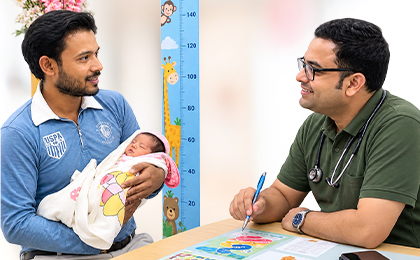
LNICU by
Dr. Rajeev Kumar

CKD Diabetes
CKD Diabetes
Knee Replacement by
Knee Replacement
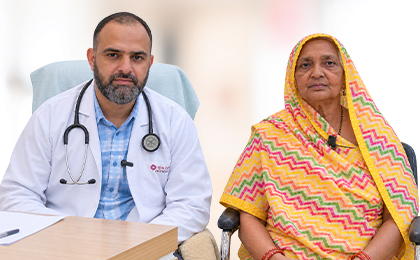
TNBC Survivor by
Dr. Abid Lone
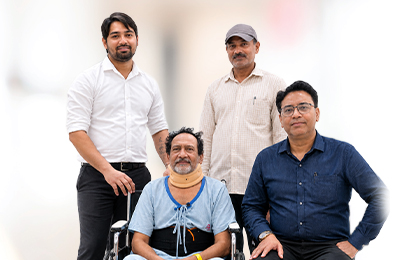
Spine Surgery by
Dr. Saurabh Kumar Sinha
Brain Surgery by
Dr. Saurabh Kumar Sinha
Hip Replacement by
Dr. Indranil Halder
NICU by
Dr. Rajeev Kumar
CKD Diabetes
CKD Diabetes
Knee Replacement by
Knee Replacement
TNBC Survivor by
Dr. Abid Lone
Spine Surgery by
Dr. Saurabh Kumar Sinha
Brain Surgery by
Dr. Saurabh Kumar Sinha
Latest Blogs




Frequently Asked Questions
What should I do in a medical emergency before reaching the hospital?
Keep the patient calm and still, particularly if a spinal injury is suspected. Do not give any food or water. If the patient is unconscious and not breathing, begin CPR if you are trained to do so. Have someone call up the nearest Ujala Cygnus hospital so the team can prepare before you arrive.
Do I need prior registration or an appointment for emergency care?
No. Emergency patients are received and triaged immediately upon arrival without the need for prior registration or an appointment. Our triage team assesses every patient as soon as they arrive and prioritises care based on the severity of the condition.
Is trauma surgery available at Ujala Cygnus Hospitals?
Yes. Our hospitals have access to operation theatres on a 24×7 basis, with trauma surgeons and anaesthesiologists available for emergency procedures including abdominal surgery, orthopaedic fixation, chest surgery, and other life-saving interventions.
How quickly can a specialist be reached during an emergency?
Our hospitals operate with on-call specialist rosters covering cardiology, neurology, orthopaedics, general surgery, and critical care. In most situations, a relevant specialist can be reached and involved in the patient’s care within minutes of their arrival.
Does Ujala Cygnus have 24×7 emergency services at all its hospitals?
Yes. All 25 Ujala Cygnus hospitals operate fully staffed emergency departments around the clock, every day of the year, including on public holidays.
What is triage and how does it work?
Triage is the process of quickly assessing each patient’s condition to determine how urgently they need care. Patients with life-threatening conditions are attended to first, regardless of the order of arrival. Our trained triage nurses assess every patient within minutes of arrival and categorise them accordingly.
Are Ayushman Bharat and cashless insurance accepted for emergency treatment?
Yes. Ujala Cygnus Hospitals are empanelled with Ayushman Bharat (PM-JAY), CGHS, ECHS, ESIC, and most major private insurers. Our team assists with cashless claim processing even in emergency admissions, so financial concerns do not delay care.
How do I find the nearest Ujala Cygnus emergency facility?
Call us at +91 9146691466 or use the Find a Hospital feature on our website to locate the nearest Ujala Cygnus hospital with emergency services in your area.