

Advanced Endoscopy Services at Ujala Cygnus Hospitals
At Ujala Cygnus Hospitals, we provide comprehensive endoscopy services for patients experiencing digestive symptoms such as persistent acidity, abdominal pain, difficulty swallowing, nausea, vomiting, unexplained weight loss, gastrointestinal bleeding, and chronic indigestion. Endoscopy is one of the most valuable diagnostic tools used to identify abnormalities within the digestive tract without the need for major surgery.
Our gastroenterology specialists utilise advanced endoscopic technology to obtain detailed visual images of internal organs and tissues. This enables accurate diagnosis of gastrointestinal disorders and helps guide treatment decisions at an early stage.
In addition to diagnosis, endoscopy can also be used for therapeutic procedures such as removing polyps, controlling bleeding, dilating narrowed areas, and obtaining tissue samples for biopsy. Our patient-centred approach focuses on safety, comfort, and timely diagnosis to support better digestive health outcomes.
What is Endoscopy?
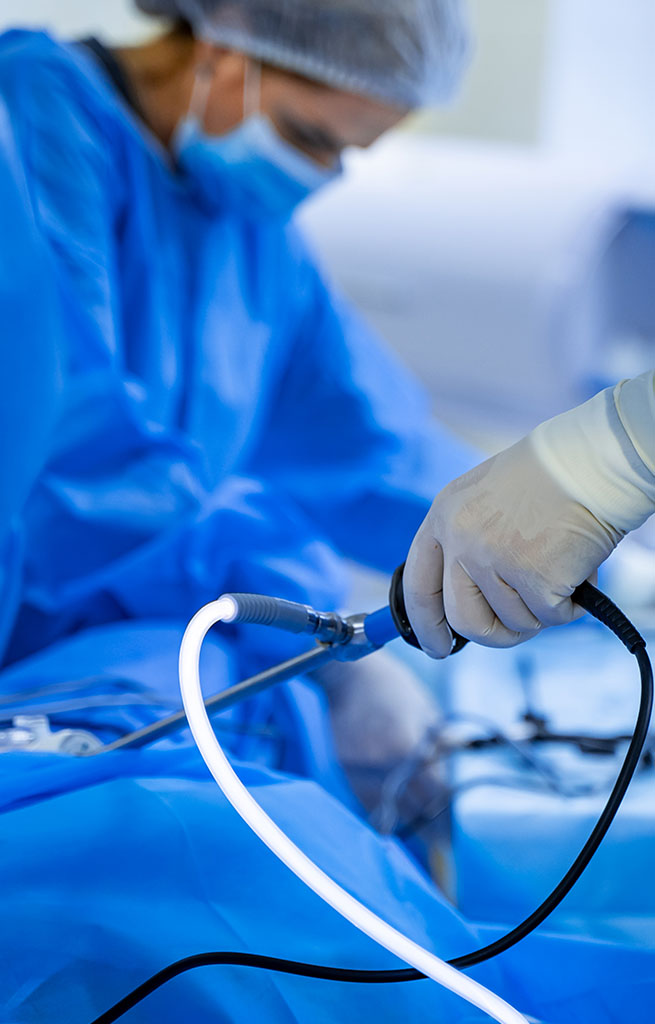
Endoscopy is a medical procedure that allows doctors to view the inside of the digestive tract using an instrument called an endoscope. The endoscope is a thin, flexible tube fitted with a high-definition camera and light source that transmits images to a monitor in real time.
The procedure helps specialists identify inflammation, ulcers, tumours, infections, bleeding, blockages, and other abnormalities that may not be visible through routine examinations. Depending on the symptoms and area being evaluated, endoscopy may be performed for diagnostic, screening, monitoring, or therapeutic purposes.
Types of Endoscopy
Upper Gastrointestinal Endoscopy (Upper GI Endoscopy)
Used to examine the oesophagus, stomach, and upper part of the small intestine to diagnose digestive disorders and upper gastrointestinal symptoms.
Colonoscopy
A specialised endoscopic procedure used to evaluate the colon and rectum for polyps, inflammation, bleeding, and colorectal cancer.
Sigmoidoscopy
Examines the lower portion of the large intestine and rectum to identify abnormalities affecting the bowel.
Capsule Endoscopy
A non-invasive procedure where a patient swallows a small capsule containing a camera that captures images of the small intestine.
Therapeutic Endoscopy
Performed not only for diagnosis but also to treat certain conditions such as bleeding ulcers, strictures, or polyp removal.
Endoscopic Ultrasound (EUS)
Combines endoscopy and ultrasound technology to provide detailed images of digestive organs and surrounding tissues.
Conditions Diagnosed and Managed Through Endoscopy
Endoscopy Procedure: What Happens During the Test?
Benefits of Endoscopy
Endoscopy is a highly effective diagnostic and therapeutic procedure that offers numerous advantages for patients with digestive health concerns.
- Provides accurate diagnosis of digestive disorders
- Detects gastrointestinal diseases at an early stage
- Helps identify ulcers, inflammation, tumours, and bleeding
- Allows tissue biopsy for laboratory analysis
- Minimally invasive with no major surgical incision
- Can diagnose and treat certain conditions during the same procedure
- Supports early cancer detection and screening
- Offers faster recovery compared to surgical procedures
- Helps guide personalised treatment planning
Why Choose Ujala Cygnus Hospitals for Endoscopy?

Experienced Gastroenterology Specialists
Our gastroenterologists have extensive expertise in performing diagnostic and therapeutic endoscopic procedures for a wide range of digestive disorders.

Advanced Endoscopic Technology
We utilise modern high-definition endoscopy systems that provide clear visualisation and support accurate diagnosis and treatment.

Patient-Focused Care
Our team prioritises patient comfort, safety, and education throughout the procedure and recovery process.

Comprehensive Digestive Health Services
From diagnosis and treatment to follow-up care and long-term management, we provide complete gastroenterology support under one roof.
Risks and Complications of Endoscopy and How They Are Managed
Endoscopy is generally considered a safe procedure. However, as with any medical intervention, certain risks may occur in rare cases.
Short-Term Risks
Mild Sore Throat
Patients undergoing upper GI endoscopy may experience temporary throat irritation after the procedure.
Bloating and Discomfort
Mild abdominal bloating or cramping can occur due to air introduced during the examination.
Sedation-Related Effects
Temporary drowsiness, dizziness, or nausea may occur following sedation.
Minor Bleeding
Small amounts of bleeding may occur after biopsy collection or therapeutic interventions.
Allergic Reactions
Rare allergic reactions to medications or sedatives may occur and are closely monitored by the medical team.
Long-Term Risks
Infection
Although uncommon, infections can occasionally develop following certain therapeutic endoscopic procedures.
Perforation
A rare complication involving a small tear in the digestive tract wall that may require additional treatment.
Delayed Bleeding
Some patients may experience delayed bleeding following polyp removal or biopsy procedures.
Recurrence of Underlying Conditions
Certain digestive disorders may require ongoing monitoring despite successful diagnosis or treatment.
Managing and Reducing Risks
Thorough Pre-Procedure Assessment
Patients undergo comprehensive evaluation to identify potential risk factors before the procedure.
Experienced Specialists
Highly trained gastroenterologists follow established safety protocols to minimise complications.
Advanced Equipment and Monitoring
Modern technology and continuous patient monitoring enhance safety throughout the procedure.
Post-Procedure Care
Clear recovery instructions and follow-up guidance help ensure a smooth recovery process.
Recovery and Support After Endoscopy
Most patients recover quickly after endoscopy and can resume normal activities within a short period, depending on the type of procedure performed.
Diet and Nutrition
Patients may be advised to start with light meals and gradually return to their regular diet as recommended by their doctor.
Activity and Rest
Rest is generally recommended for the remainder of the day following sedation. Most individuals can resume routine activities the following day.
Follow-Up Care
Doctors review test results, biopsy findings, and treatment recommendations during follow-up consultations.
Ongoing Digestive Health Management
Patients diagnosed with digestive disorders may receive personalised treatment plans, lifestyle guidance, and long-term monitoring to maintain digestive health.
Patient Stories
Hip Replacement by
Dr. Indranil Halder

LNICU by
Dr. Rajeev Kumar

CKD Diabetes
CKD Diabetes
Knee Replacement by
Knee Replacement
TNBC Survivor by
Dr. Abid Lone
Spine Surgery by
Dr. Saurabh Kumar Sinha
Brain Surgery by
Dr. Saurabh Kumar Sinha
Hip Replacement by
Dr. Indranil Halder
NICU by
Dr. Rajeev Kumar
CKD Diabetes
CKD Diabetes
Knee Replacement by
Knee Replacement
TNBC Survivor by
Dr. Abid Lone
Spine Surgery by
Dr. Saurabh Kumar Sinha
Brain Surgery by
Dr. Saurabh Kumar Sinha
Latest Blogs



Frequently Asked Questions
What is an endoscopy used for?
Endoscopy is used to diagnose, monitor, and sometimes treat conditions affecting the digestive tract, including ulcers, acid reflux, bleeding, inflammation, and gastrointestinal cancers.
Is endoscopy painful?
Endoscopy is generally not painful. Sedation is often used to help patients remain comfortable during the procedure.
How long does an endoscopy take?
Most endoscopy procedures take between 15 and 45 minutes, depending on the type and complexity of the examination.
Do I need to fast before an endoscopy?
Yes. Patients are usually required to avoid food and drinks for several hours before the procedure to ensure accurate visualisation.
Can endoscopy detect cancer?
Yes. Endoscopy can help detect precancerous changes, tumours, and gastrointestinal cancers at an early stage and allows biopsy collection for confirmation.
How soon can I return to normal activities after endoscopy?
Most patients can resume normal daily activities within 24 hours, although recovery may vary depending on sedation and the specific procedure performed.