General Surgical Care at Ujala Cygnus Hospitals
General Surgery is the branch of medicine focused on the surgical management of a wide range of conditions affecting the abdomen, digestive tract, skin, soft tissues, endocrine system, and other internal organs. It includes both emergency and planned procedures, ranging from appendicitis and hernia repair to gallbladder surgery, gastrointestinal disorders, and minimally invasive laparoscopic procedures.
At Ujala Cygnus Hospitals, our General Surgery Department has a team of highly experienced and reputable surgeons, advanced operation theatres, and modern diagnostic technologies, to ensure accurate evaluation and effective treatment. Our surgical teams work closely with anaesthetists, physicians, and critical care specialists to provide care that is carefully planned around each patient’s condition, overall health, and recovery requirements.
What is General Surgery?
General surgery is a surgical speciality focused on the diagnosis, management, and operative treatment of conditions affecting the abdomen, digestive tract, endocrine glands, and soft tissues. A general surgeon treats a wide range of conditions, from commonly seen problems like hernias, gallstones, and appendicitis to more complex cases involving the bowel, thyroid, and abdominal organs.
Types of General Surgery
General surgery covers more ground than most people realise. At Ujala Cygnus Hospitals, we bring together surgical expertise across all major areas so your care is always handled by the right hands:
|
Subspecialty |
What it Addresses |
|
Laparoscopic Surgery |
Minimally invasive procedures performed through small incisions for faster recovery and less post-operative discomfort |
|
Upper GI Surgery |
Surgical treatment of conditions affecting the oesophagus, stomach, and upper digestive tract |
|
Colorectal Surgery |
Management of conditions affecting the colon, rectum, and anus, including piles, fissures, fistulas, and colorectal disease |
|
Hernia Surgery |
Repair of inguinal, umbilical, incisional, and hiatal hernias using open or laparoscopic techniques |
|
Endocrine Surgery |
Surgical treatment of thyroid, parathyroid, and adrenal gland conditions |
|
Breast Surgery |
Diagnosis and surgical management of benign and malignant breast conditions |
|
Emergency Abdominal Surgery |
Urgent surgical intervention for conditions like appendicitis, bowel perforation, and acute abdominal emergencies |
Symptoms You Should Not Ignore
A lot of conditions that end up needing surgery don't announce themselves dramatically. Some start as a dull ache, a lump you keep meaning to get checked, or digestive trouble you've been putting down to something you ate. Common symptoms that warrant a surgical consultation include:
- Persistent Abdominal Pain: Pain in the stomach or abdomen that keeps coming back or doesn't go away, especially if it's getting worse over time.
- A Lump or Swelling: Any new or growing lump in the abdomen, groin, or soft tissue that wasn't there before.
- Rectal Bleeding: Blood in the stool or visible bleeding from the rectum, even if it seems minor.
- Difficulty Swallowing: A sensation of food getting stuck or discomfort while swallowing that persists beyond a few days.
- Sudden or Severe Abdominal Pain: Sharp, intense pain that comes on quickly can indicate a surgical emergency and needs immediate attention.
- Unexplained Weight Loss: Losing weight without trying, particularly when combined with fatigue or digestive changes.
- Nausea and Vomiting: Persistent nausea or vomiting that isn't linked to an obvious cause like food poisoning.
- Bloating or Changes in Bowel Habits: Noticeable changes in how often you pass stools, their consistency, or persistent bloating that doesn't resolve.
- Groin or Abdominal Discomfort While Lifting: A pulling sensation or visible bulge in the groin or abdomen during physical activity could indicate a hernia.
- Fever with Abdominal Pain: A combination of fever and stomach pain can point to infection or inflammation that may need surgical evaluation.
If you've been experiencing any of these, it's worth getting it looked at sooner rather than later.
When to Seek a General Surgery Consultation?
You should consider seeing a general surgeon in the following cases:
- Diagnosed with a Surgical Condition: You have been told you have gallstones, a hernia, appendicitis, or any other condition that may need surgical treatment.
- A New or Changing Lump: You have noticed a lump or swelling that is new, growing, or causing pain and hasn't been evaluated yet.
- Persistent Abdominal Pain: You have been experiencing stomach or abdominal pain that keeps coming back but doesn't have a clear diagnosis yet.
- Rectal Bleeding or Bowel Changes: You have noticed blood in your stool or a significant change in your bowel habits that has lasted more than a few days.
- Thyroid Nodule or Goitre: A nodule or goitre has been identified and your doctor has recommended a surgical opinion.
- Family History and Age: You are above 40 with a family history of colorectal or abdominal conditions and haven't had a surgical screening yet.
- Referred by Your Doctor: Your physician has recommended that you see a general surgeon for further evaluation or a second opinion.
Conditions Treated through Surgery at Ujala Cygnus Hospitals
Our general surgery team manages a wide range of conditions that may require planned or emergency surgical care. Some of the most common surgically treated conditions include:

Hernia
A hernia occurs when an organ pushes through a weak spot in the muscle or tissue around it. Surgical repair is usually the most effective and lasting treatment.

Gallstones
Hardened deposits in the gallbladder that cause pain and digestive discomfort. When symptoms persist, surgical removal of the gallbladder is typically recommended.

Appendicitis
Inflammation of the appendix that needs prompt attention. An appendectomy is performed to remove the appendix before it leads to more serious complications.

Piles (Haemorrhoids)
Swollen veins in the lower rectum or anus causing pain, bleeding, and discomfort. Treatment ranges from non-surgical management to minor surgical procedures depending on severity.

Anal Fissure
A small tear in the lining of the anus that causes pain and bleeding during bowel movements. Surgery is considered when conservative treatment doesn't bring relief.

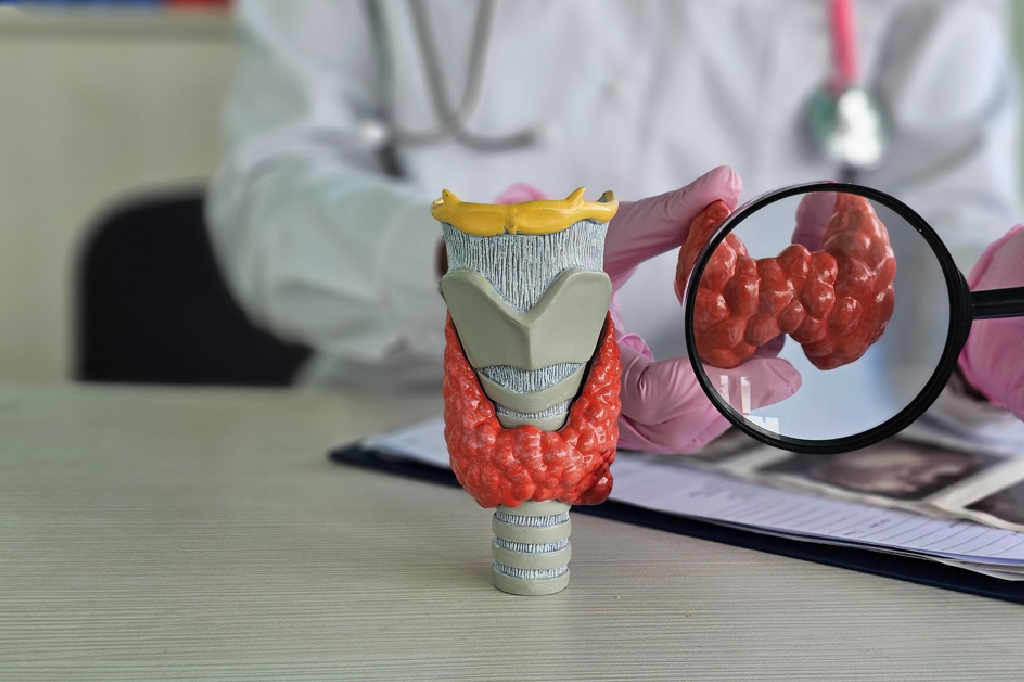
Thyroid Disorders
Conditions like goitre or thyroid nodules may need surgery when they affect breathing or swallowing. Thyroid surgery is performed with care to preserve surrounding structures.
General Surgeries and Treatments at Ujala Cygnus Hospitals
At Ujala Cygnus Hospitals, our general surgeons perform a wide range of procedures, from minimally invasive laparoscopic surgeries to more complex operative interventions.
Why Choose Ujala Cygnus Hospitals for General Surgery?

NABH-Accredited | World-Class Infrastructure
All our hospitals meet the highest national quality standards, equipped with modern operation theatres, laparoscopic surgical systems, and diagnostic facilities across Tier 2 and Tier 3 cities.

Complete Surgical Care Under One Roof
From initial consultation and diagnostics to surgery and post-operative recovery, all general surgery services are available in one place without the need for referrals or transfers.

Experienced Team| 24×7 Emergency Care
General surgeons trained at leading institutions across India, supported by round-the-clock emergency teams for conditions like appendicitis, bowel perforations, and acute abdominal emergencies.

Ayushman Bharat & Cashless Empanelments
Empanelled with PM-JAY, CGHS, ECHS, ESIC, and major insurers, with dedicated support for smooth and hassle-free cashless claim processing.

Our Medical Experts







Imaging and Diagnostic Services at Ujala Cygnus Hospitals





Latest Blogs









Frequently Asked Questions
How do I find the right general surgeon for my condition?
If you’re googling “general surgeon near me,” it’s worth looking beyond just location. Check the surgeon’s experience with your specific condition, whether the hospital has the right facilities, and whether you felt heard during the consultation. At Ujala Cygnus, you can book an initial consultation to meet a surgeon, discuss your condition, and decide if it feels like the right fit before committing to anything.
Is laparoscopic surgery suitable for everyone?
It works for most people and most surgeons will go this route when they can. But every patient is different, and sometimes open surgery is the safer option. Your surgeon will make that call based on your specific situation, not a general rule.
Will I need someone to accompany me on the day of the surgery?
Yes, please bring someone. You’ll be coming out of anaesthesia and in no state to be alone. They’ll also need to hear what the team says about your recovery, because chances are you won’t remember much of it.
Is general surgery covered under health insurance?
Usually yes, but the fine print varies by policy. Worth a quick check with your insurer before you come in. Our team can help sort the paperwork and pre-authorisation on our end.
Can I eat or drink before my surgery?
No food or water for around six to eight hours before. It’s non-negotiable when anaesthesia is involved. Your care team will confirm the exact timing for your procedure.
How long will I need to stay in the hospital after a general surgery procedure?
Depends on the surgery, honestly. Something laparoscopic and you’re likely home the next day. A bigger procedure might mean a few more days. Our medical team will give you a realistic idea once everything is planned out.
What should I do to prepare before a surgery at Ujala Cygnus?
You’ll get clear instructions beforehand. Fasting for a few hours, pausing certain medications, completing your pre-op tests. Nothing complicated, just important to follow properly.
How soon can I get back to work after a general surgery procedure?
A week or so for most laparoscopic procedures. Longer if it’s something more involved. Don’t push it before your surgeon says it’s okay, recovery that’s rushed tends to set you back further.
What happens if a complication arises during or after surgery?
The team monitors closely after every procedure. And when the patient is discharged, they’ll know exactly what signs to look out for and who to reach if something feels off.
How do I know if my surgeon is experienced enough for my condition?
Ask them directly, it’s completely fair to do so. How many of these have you done? What’s your approach for my case? A good surgeon won’t take that as an odd question. At Ujala Cygnus Hospitals, that conversation is always welcome.