
CABG
Overview
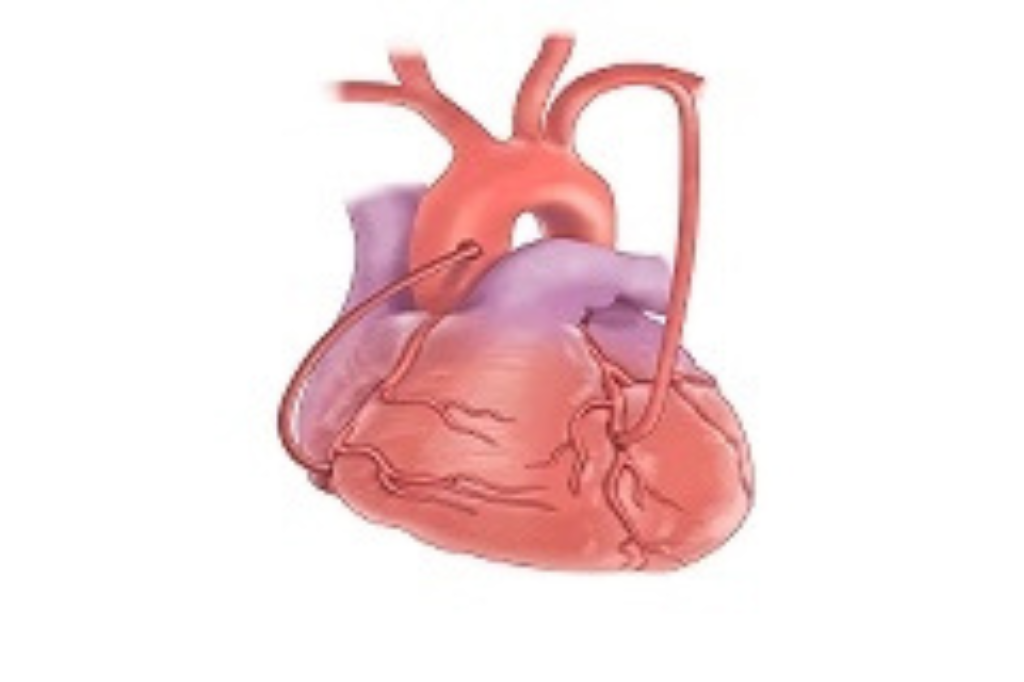
Coronary artery bypass graft surgery (CABG) is a surgical procedure to restore blood flow to the areas of the heart. The surgery helps treat coronary artery disease, which causes the blood vessel to narrow due to the build-up of substances like fat and more in the coronary arteries. The narrowed blood vessels cannot properly supply oxygen-rich blood to the heart. The coronary artery bypass graft surgery is done to bypass the blocked portion of the artery so that the heart can receive oxygen-rich blood.
Who Are the Best Candidates For CABG surgery?
The doctor will decide whether the patient is a good candidate for the CABG surgery based on different factors, including
- The severity of coronary artery disease
- Location of the blockage in the arteries
- How many blockages does the patient have
- Patient’s response to other treatments
- Quality of life
- The severity of the blockage of coronary arteries
Who Should Not Consider CABG Surgery?
Patients are not considered good candidates if they have the following conditions:
- Pre-existing heart conditions like heart valve disease
- Terminal illnesses like advanced cancer, liver failure
- Physical disability
- Bleeding disorder
- Unable to tolerate anaesthesia
- Kidney disease
- Peripheral arterial disease
- Diabetes
How to Prepare for CABG Surgery
The cardiac surgeon will talk in-depth about coronary artery bypass graft surgery and its benefits and potential risks. The doctor will advise particular instructions that must be followed before the surgery. Moreover, the surgeon will also conduct several tests to see whether it is safe for the patient to undergo surgery. These may include electrocardiogram, echocardiogram, stress test, X-ray, CT scan angiography, and blood tests. There are specific ways to prepare for the CABG surgery, including:
- Stop taking blood-thining medicines a few weeks before the surgery
- Quit smoking
- Avoid taking anti-inflammatory drugs
- Wear loose clothes to the hospital
- Don’t eat heavy food the night before the surgery
- Drink clear liquids
- Make arrangements to stay in the hospital for several days
- Take all medications prescribed by the doctor before surgery
How CABG Surgery Is Done
The CABG is major surgery and is done as an in-patient hospitalization procedure. The surgery involves different steps. First, the patient is taken to the surgery room, and the medical team inserts intravenous (IV) lines to infuse medications and fluid through one of the veins. Next, general anaesthesia is administered, and the team also puts the patient on intubation and ventilation. The heart-lung bypass machine is used to take control of the lungs and heart during the surgery. The surgeon then makes a large incision at the centre of the chest and splits the breastbone down the middle to access the heart. Next, the surgeon takes a healthy blood vessel from the arms or thighs and crafts the bypass. The upper end of the bypass is attached to the aorta, and the lower end of the bypass is attached to the blocked artery just past the blockage. There are different techniques used for CABG surgery, including:
In this procedure, the surgeon does not stop the heart and performs the surgery with the heart still beating.
In this procedure, the coronary bypass is crafted through small incisions in the chest, usually with the help of robotics and video imaging. The surgery is also known as keyhole surgery.
Possible Complications
Just like every other significant surgery, CABG surgery also runs the risk of developing certain complications, including:
- Bleeding from the incision site
- Infection
- Memory loss
- Kidney problems
- Heart attack
- Swelling around incision
- Arrhythmias
- Stroke
- Damage to an organ or blood vessel
Taking Care of Yourself After Surgery
Patient undergoing CABG surgery usually takes several weeks to recover fully. The patients are kept in the intensive care unit for one or two days. The healthcare team provides detailed information about cardiac rehabilitation through various education programmes and exercises. The team will ask the patient to perform strenuous activities for a few weeks, exercise regularly, follow a healthy lifestyle and diet, manage stress, and more.






+91-91466 91466
If you want to get a free consultation without any obligations, fill in the form below and we'll get in touch with you.
Request a Call Back
Our healthcare expert will contact you shortly to understand your requirements and assist you with the right care.
100% Confidential
Your information is safe and secure with us.
Quick Response
Our team will connect with you at the earliest.
Expert Guidance
Speak with our experienced healthcare professionals.
Request a Call Back
You Will Get a call within 1 hour
?? Your information is
safe & confidential.