
Joint Replacement
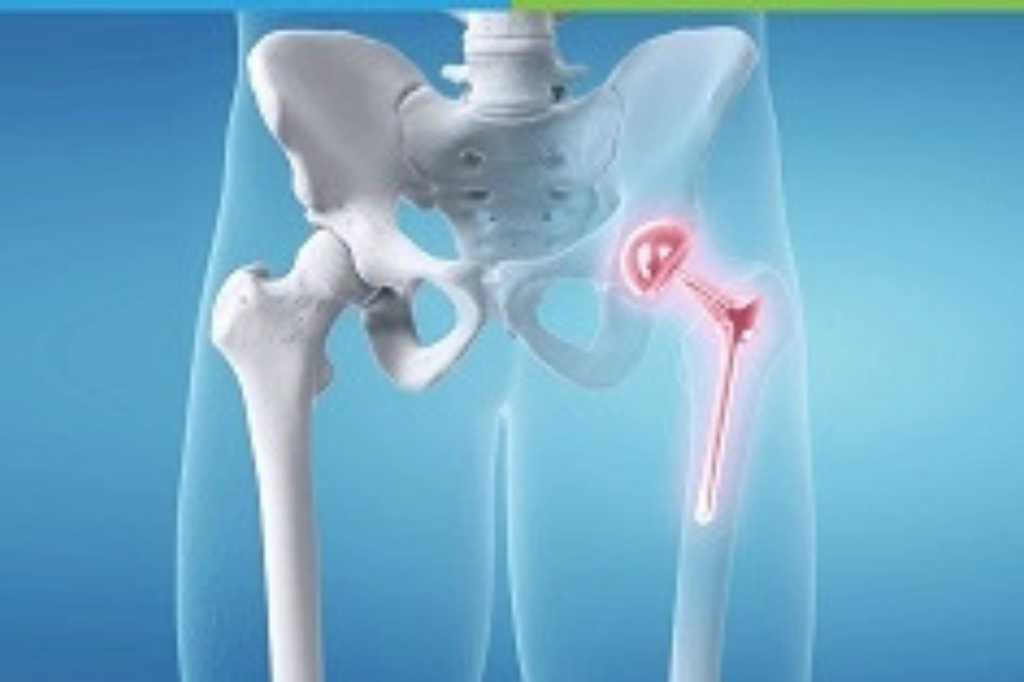
What is joint replacement?
An injured knee is replaced with an artificial joint, or prosthesis, during a joint replacement treatment. Alloys of metal, plastic, and polymers are used to create the prosthesis. It performs similar duties to a knee. Your physician will consider the following factors when choosing a prosthetic knee for you: age, weight, degree of activity, and general health. It normally takes less than two hours to have your old knee removed and replaced with a prosthetic, but recuperation and therapy can take months.
What is the purpose of a knee joint replacement?
The most frequent justification for knee joint replacement is damage from arthritis. This covers both rheumatoid arthritis and osteoarthritis. Knee replacement is typically only advised by doctors when other, less invasive therapies have failed. Options for first-line therapy include:
- medicines for weight loss
- assistance equipment for physical treatment, like a cane or a knee brace
If you’re a good candidate for knee joint replacement, you should consider the following:
- how much your knee pain prevents you from performing simple tasks like walking or climbing stairs,
- how often your knee is bent, bows, or “blows out,” and other factors like your age and general health
Knee surgery is the most common form of treatment for patients over the age of 55. Younger patients with knee replacement surgery have the risk of outliving their prosthetic joints and necessitating a revision.
Each potential patient for knee replacement surgery is assessed individually by doctors.
How do you prepare for knee joint replacement?
Your doctor will evaluate your general health and anaesthetic risks before surgery. The following will be assessed:
- a thorough medical background
- a physical assessment
- tests on blood
- X-rays
- additional imaging tests
Your doctor will request a thorough medical history from you, including information on any previous operations and continuing medical issues. Any drug you take, including over-the-counter medications and dietary supplements, should be disclosed to your doctor. Before your surgery, you might need to stop taking some or all of these.
For several weeks, you should prepare to use crutches or a walker to go around. You should set up your house for your rehabilitation after surgery. You’ll receive comprehensive instructions on how to get ready for surgery from your doctor and the surgical team. It’s crucial to adhere to those directions as closely as you can.
What happens after knee joint replacement?
Physical therapy is typically started on the day of surgery or the day following surgery to encourage blood flow to the tissues surrounding the new knee. You might be advised to use a continuous passive-motion machine by your surgeon. This unique brace-like device gently bends your knee in one direction continually. Your surgeon will advise you when it’s best to leave the hospital.






+91-91466 91466
If you want to get a free consultation without any obligations, fill in the form below and we'll get in touch with you.
Request a Call Back
Our healthcare expert will contact you shortly to understand your requirements and assist you with the right care.
100% Confidential
Your information is safe and secure with us.
Quick Response
Our team will connect with you at the earliest.
Expert Guidance
Speak with our experienced healthcare professionals.
Request a Call Back
You Will Get a call within 1 hour
?? Your information is
safe & confidential.