AC Joint Reconstruction Surgery
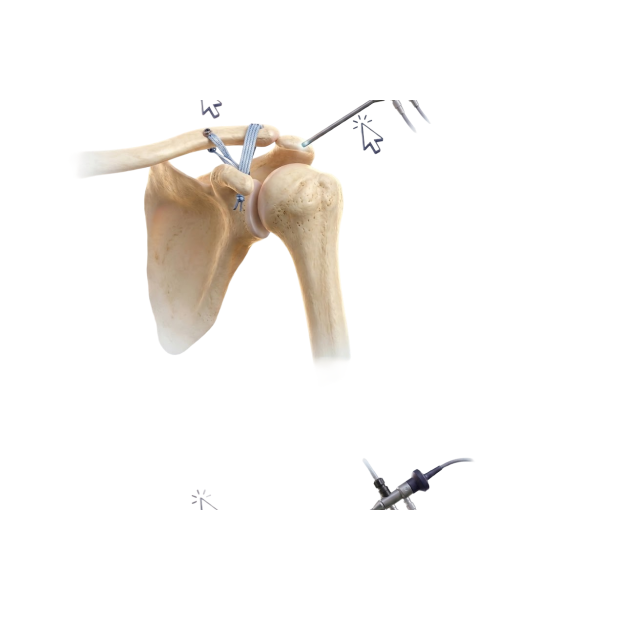
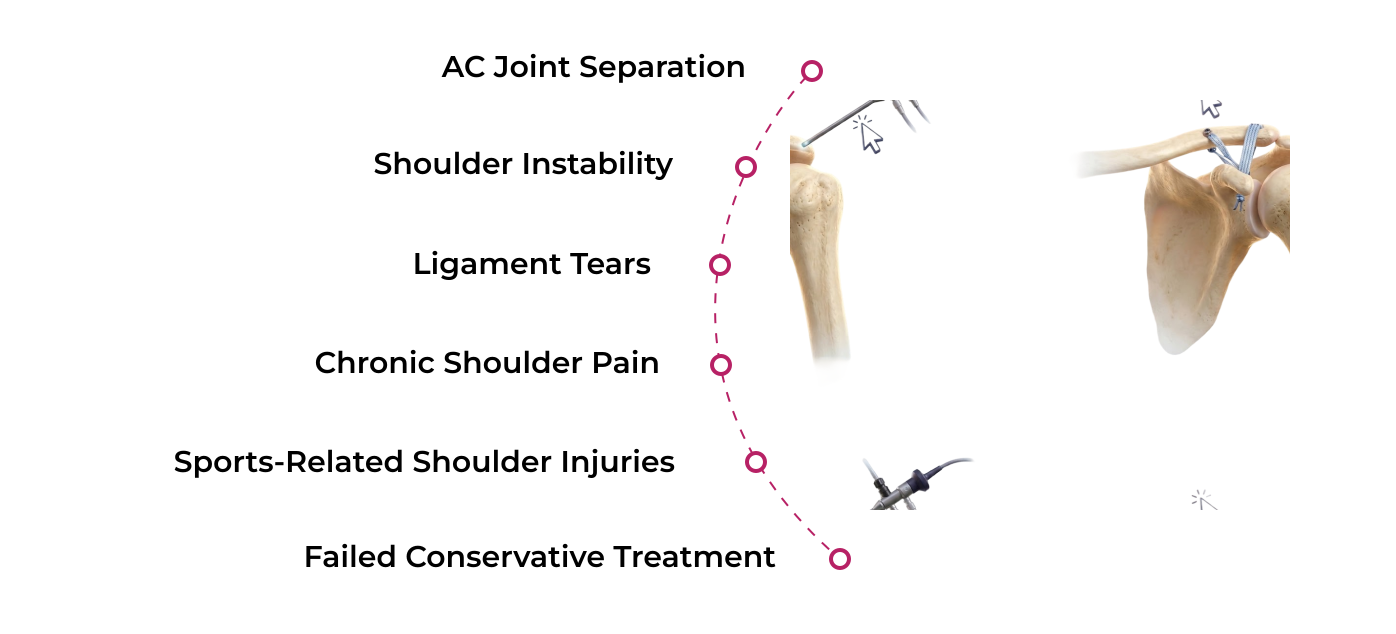
AC Joint Reconstruction is an advanced orthopaedic procedure used to repair and restore stability to the acromioclavicular (AC) joint, which connects the collarbone (clavicle) to the shoulder blade (acromion). This surgery is commonly recommended for patients with severe AC joint injuries, shoulder instability, ligament tears, or persistent shoulder pain caused by sports injuries, accidents, or falls. At Ujala Cygnus Hospitals, our experienced orthopaedic surgeons utilise modern surgical techniques to help patients regain shoulder function, reduce pain, and return to their daily activities with confidence.
Advanced AC Joint Reconstruction Surgery at Ujala Cygnus Hospitals
At Ujala Cygnus Hospitals, we provide comprehensive AC Joint Reconstruction surgery for patients experiencing shoulder instability, acromioclavicular joint separation, ligament injuries, and chronic shoulder discomfort. The AC joint plays a crucial role in maintaining shoulder strength and movement, and injuries to this joint can significantly affect everyday activities, sports performance, and overall quality of life.
Our orthopaedic specialists perform thorough clinical assessments and advanced diagnostic imaging to determine the severity of the injury and recommend the most suitable treatment approach. AC Joint Reconstruction is typically advised for moderate to severe joint separations that do not heal adequately with conservative treatments such as medication, physiotherapy, or bracing.
Using modern surgical techniques and personalised rehabilitation plans, our team focuses on restoring shoulder stability, improving range of motion, reducing pain, and helping patients return to work, sports, and daily routines as safely and quickly as possible.
What is AC Joint Reconstruction?
Types of AC Joint Reconstruction
Anatomical AC Joint Reconstruction
This technique aims to restore the shoulder's natural anatomy by reconstructing the damaged ligaments using tendon grafts or specialised fixation systems.
Arthroscopic AC Joint Reconstruction
A minimally invasive procedure performed using small incisions and a camera-guided surgical approach, resulting in reduced tissue damage and faster recovery.
Open AC Joint Reconstruction
This traditional surgical technique may be recommended for complex injuries or chronic AC joint separations requiring direct visualisation of the joint structures.
Tendon Graft Reconstruction
A tendon graft, either from the patient or a donor source, is used to rebuild the damaged ligaments and improve long-term joint stability.
Synthetic Ligament Reconstruction
Artificial ligament materials may be utilised in selected cases to provide additional support and stabilisation to the AC joint.
Revision AC Joint Reconstruction
Performed when a previous reconstruction has failed or when persistent instability and symptoms continue after earlier treatment.
Conditions and Injuries Treated with AC Joint Reconstruction
AC Joint Reconstruction Procedure: What Happens During Treatment?
Benefits of AC Joint Reconstruction Surgery
AC Joint Reconstruction offers significant benefits for patients suffering from shoulder instability, ligament injuries, and chronic pain. The procedure is designed to restore shoulder function and improve long-term quality of life.
- Restores normal alignment of the AC joint
- Improves shoulder stability and strength
- Reduces chronic shoulder pain and discomfort
- Enhances range of motion and flexibility
- Supports return to sports and physical activities
- Improves shoulder function during daily tasks
- Prevents long-term joint complications
- Provides durable and long-lasting results
- Improves overall quality of life and confidence
Why Choose Ujala Cygnus Hospitals for AC Joint Reconstruction Surgery?

Multidisciplinary Orthopaedic Expertise
Our experienced orthopaedic surgeons, sports injury specialists, physiotherapists, and rehabilitation experts work together to provide comprehensive care for patients with AC joint injuries and shoulder instability.

Advanced Diagnostic and Surgical Technology
We utilise modern diagnostic imaging and advanced surgical techniques, including minimally invasive arthroscopic procedures, to deliver precise treatment and improved patient outcomes.

Personalised Treatment Plans
Every patient's condition is unique. Our specialists develop customised treatment and rehabilitation plans based on the severity of the injury, lifestyle requirements, activity levels, and recovery goals.

Comprehensive Rehabilitation Support
Recovery extends beyond surgery. Our dedicated physiotherapy and rehabilitation teams guide patients throughout the healing process to help restore strength, mobility, and confidence.
Possible Risks and Complications of AC Joint Reconstruction and How They Are Managed
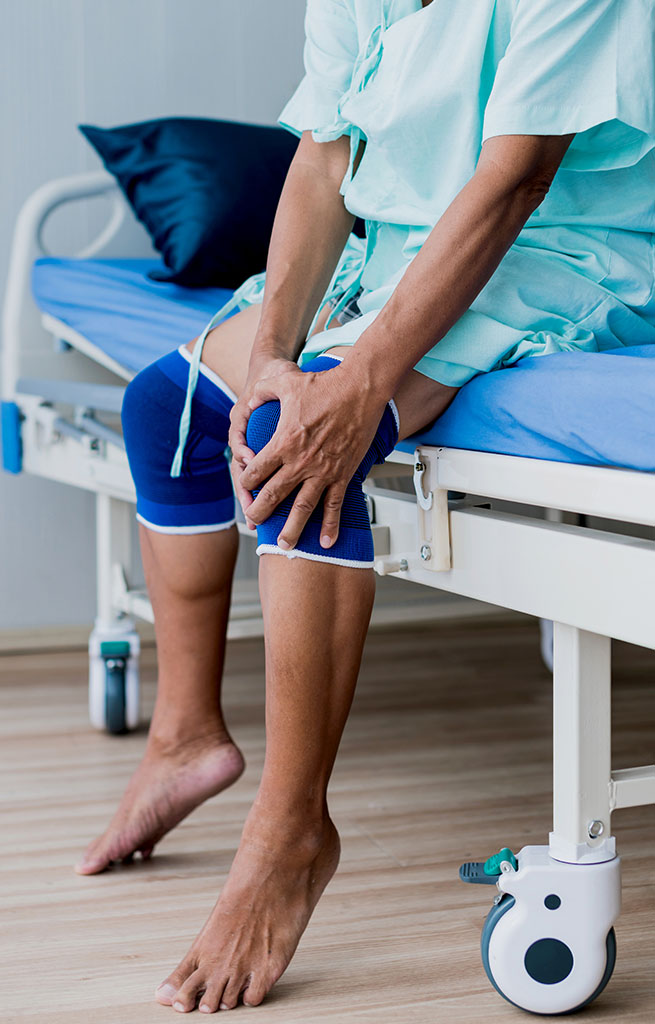
Like any surgical procedure, AC Joint Reconstruction carries certain risks. However, with proper surgical planning, advanced techniques, and post-operative care, complications can often be minimised.
Short-Term Risks
InfectionAlthough uncommon, infections may occur around the surgical site and are usually managed with antibiotics and appropriate wound care.
Pain and SwellingTemporary discomfort, swelling, and bruising are expected after surgery and generally improve during the initial recovery period.
BleedingMinor bleeding may occur during or after surgery but is carefully monitored and controlled by the surgical team.
Shoulder StiffnessSome patients may experience temporary stiffness, which is typically improved through physiotherapy and guided rehabilitation exercises.
Anaesthesia-Related ComplicationsRare complications related to anaesthesia may occur and are minimised through comprehensive pre-operative assessment.
Long-Term Risks
Recurrent Joint InstabilityIn some cases, the reconstructed ligaments may weaken over time, leading to recurrent instability or discomfort.
Loss of Shoulder MotionA small number of patients may experience persistent limitations in shoulder movement despite rehabilitation.
Hardware-Related ProblemsCertain fixation devices used during surgery may occasionally cause irritation and require further evaluation.
Chronic PainAlthough uncommon, some patients may continue to experience mild discomfort following surgery.
Degenerative Joint ChangesLong-standing AC joint injuries may contribute to future arthritic changes in the joint, even after successful reconstruction.
Managing and Reducing Risks
Careful Patient EvaluationDetailed assessment helps identify risk factors and determine the most suitable treatment approach.
Experienced Surgical TeamSkilled orthopaedic surgeons use evidence-based techniques to improve safety and surgical outcomes.
Structured Rehabilitation ProgrammePost-operative physiotherapy plays an important role in restoring shoulder strength and reducing complications.
Regular Follow-Up AppointmentsOngoing monitoring ensures proper healing and allows early detection of any concerns during recovery.
Recovery and Support During AC Joint Reconstruction Rehabilitation
Recovery following AC Joint Reconstruction varies depending on the severity of the injury, surgical technique used, and individual healing capacity. A structured rehabilitation plan is essential for achieving the best possible outcome.
Diet and Nutrition
A balanced diet rich in protein, vitamins, minerals, and essential nutrients supports tissue healing and recovery. Patients are encouraged to maintain adequate hydration and follow dietary recommendations provided by their healthcare team.
Exercise and Physical Activity
Physical therapy is a key component of recovery. Rehabilitation exercises are introduced gradually to restore shoulder mobility, improve strength, and rebuild joint stability while protecting the surgical repair.
Mental Health and Emotional Well-being
Recovering from shoulder surgery can sometimes be physically and emotionally challenging. Support from healthcare professionals, family members, and rehabilitation specialists can help patients stay motivated and confident throughout their recovery journey.
Follow-Up Care and Recovery
Regular follow-up visits allow the surgical team to monitor healing progress, assess shoulder function, and make necessary adjustments to the rehabilitation programme. Most patients experience gradual improvement in pain, strength, and mobility over several months.
Patient Stories
Hip Replacement by
Dr. Indranil Halder

LNICU by
Dr. Rajeev Kumar

CKD Diabetes
CKD Diabetes
Knee Replacement by
Knee Replacement
TNBC Survivor by
Dr. Abid Lone
Spine Surgery by
Dr. Saurabh Kumar Sinha
Brain Surgery by
Dr. Saurabh Kumar Sinha
Hip Replacement by
Dr. Indranil Halder
NICU by
Dr. Rajeev Kumar
CKD Diabetes
CKD Diabetes
Knee Replacement by
Knee Replacement
TNBC Survivor by
Dr. Abid Lone
Spine Surgery by
Dr. Saurabh Kumar Sinha
Brain Surgery by
Dr. Saurabh Kumar Sinha
Latest Blogs




Frequently Asked Questions
What is AC Joint Reconstruction surgery?
AC Joint Reconstruction is a surgical procedure used to repair or reconstruct damaged ligaments that stabilise the acromioclavicular joint, helping restore shoulder alignment, function, and stability.
Is AC Joint Reconstruction a major surgery?
AC Joint Reconstruction is considered a specialised orthopaedic procedure. Depending on the injury, it may be performed using minimally invasive arthroscopic techniques or traditional open surgery.
Can I return to sports after AC Joint Reconstruction?
Many patients successfully return to sports and physical activities following rehabilitation. The timing depends on the extent of the injury, surgical outcome, and guidance from the treating surgeon.
Who needs AC Joint Reconstruction surgery?
The procedure is commonly recommended for patients with severe AC joint separation, ligament tears, recurrent shoulder instability, chronic pain, or injuries that do not improve with non-surgical treatment.
How long does recovery take after AC Joint Reconstruction?
Initial recovery typically takes several weeks, while complete recovery and return to sports or demanding activities may take several months, depending on individual healing and rehabilitation progress.
What are the benefits of AC Joint Reconstruction surgery?
The procedure can improve shoulder stability, reduce pain, restore joint alignment, enhance shoulder function, support return to physical activities, and improve overall quality of life.