

Physiotherapy Care at Our Hospitals
Being able to move freely makes a real difference to daily life – getting dressed, climbing stairs, playing with your kids, or simply walking without pain. But injuries, surgery, joint problems, stroke, and long-term conditions can take that away, sometimes gradually, sometimes overnight. The sooner you get the right support, the better the outcome tends to be. At Ujala Cygnus Hospitals, our physiotherapy team helps people get moving again – safely, at their own pace, and with a clear plan behind every session.
Our physiotherapists work with patients recovering from orthopaedic surgery, fractures, joint replacement, stroke, spinal problems, sports injuries, neurological conditions, and long-term musculoskeletal pain. Treatment combines proven hands-on techniques with modern rehabilitation equipment to build back strength, flexibility, balance, and the ability to do everyday things without thinking twice.
We work alongside orthopaedic surgeons, neurologists, neurosurgeons, sports medicine doctors, pain specialists, and rehabilitation physicians – so your physiotherapy fits into your wider care, not around it.
Our aim is simple: help you recover well, move better, and get back to the life you want.
What is Physiotherapy?
Physiotherapy is a healthcare speciality focused on restoring movement, reducing pain, and helping the body function properly again. Physiotherapists look at how your muscles, joints, nerves, and movement patterns are working - and then put together a plan to address what's causing the problem.
It's recommended for people recovering from injuries, surgery, stroke, arthritis, spinal problems, sports trauma, chronic pain, and movement difficulties that come with age. Treatment can include exercises, hands-on therapy, electrotherapy, posture work, balance training, walking rehabilitation, and advice to support recovery over the long term.
Types of Physiotherapy
Physiotherapy covers several specialist areas, each focused on a different set of conditions and age groups.
|
Subspecialty |
What it Addresses |
|
Orthopaedic Physiotherapy |
Recovery after fractures, joint replacement, ligament injuries, arthritis, back pain, neck pain, and musculoskeletal problems. |
|
Neurological Physiotherapy |
Rehabilitation following stroke, Parkinson's disease, spinal cord injury, multiple sclerosis, neuropathy, and other conditions affecting movement and balance. |
|
Sports Physiotherapy |
Assessment, treatment, and rehabilitation of sports injuries, helping people return to activity safely and reduce the risk of reinjury. |
|
Cardiopulmonary Physiotherapy |
Recovery support after heart surgery, lung disease, intensive care, and respiratory conditions to rebuild stamina and breathing capacity. |
|
Paediatric Physiotherapy |
Help for children with movement disorders, developmental delays, cerebral palsy, muscular conditions, and congenital problems. |
|
Geriatric Physiotherapy |
Improving balance, strength, mobility, and confidence in older adults, including fall prevention and arthritis management. |
Symptoms You Should Never Ignore
Pain and reduced movement are easy to dismiss - but putting off physio often makes things harder to treat later. See someone if you notice any of the following:
- Persistent Joint or Muscle Pain: Pain that's been there for more than a few days and is getting in the way of normal life.
- Difficulty Walking or Climbing Stairs: Limping, struggling with steps, or finding routine movement harder than it used to be.
- Neck or Back Pain: Ongoing stiffness, lower back ache, or spinal discomfort affecting how you sit, stand, or move.
- Joint Stiffness: Joints that feel locked up after an injury, surgery, or a long period of inactivity.
- Sports Injuries: Swelling, ligament damage, muscle strains, or a drop in performance that isn't improving on its own.
- Weakness After Stroke or Surgery: Difficulty moving limbs, poor balance, or muscle weakness that's slowing your recovery.
- Frequent Falls or Balance Problems: Dizziness, wobbling, or a growing sense that you're unsteady on your feet - especially if it's happening more often.
- Reduced Range of Motion: Struggling to bend, lift, reach, or carry out simple everyday movements.
- Numbness or Tingling: Pins and needles, persistent numbness, or weakness in your arms, legs, or along your spine.
- Slow Recovery Following Injury: Not healing as expected after a fracture, surgery, or injury - or struggling to get back to normal activity.
If any of these sound familiar, it's worth getting an assessment sooner rather than later.
When Should You Consult a Physiotherapist?
Book a consultation if you:
- Have ongoing joint, muscle, or back pain that isn't settling
- Are recovering from orthopaedic surgery or joint replacement
- Have had a stroke or been diagnosed with a neurological condition
- Are dealing with a sports injury or ligament damage
- Have arthritis affecting how freely you can move
- Are falling more often or feeling unsteady
- Need rehabilitation after a fracture or trauma
- Have posture-related pain from desk work or prolonged sitting
- Need breathing rehabilitation after heart or lung problems
- Want to improve your overall strength, mobility, and physical function
Getting physio early makes a real difference - less pain, faster recovery, and better movement in the long run.
Conditions We Treat

Sports Injuries
We treat ligament injuries, muscle strains, tendon problems, sprains, overuse injuries, and sports trauma - with rehabilitation built around getting you back to full activity safely.
Stroke Rehabilitation
Our neurological rehabilitation programme works on movement, balance, muscle strength, coordination, and independence after stroke.
Arthritis & Joint Pain
Physiotherapy helps reduce pain, free up stiff joints, build muscle support around them, and improve day-to-day mobility for people with osteoarthritis and rheumatoid arthritis.
Spine & Back Disorders
We treat neck pain, lower back pain, slipped discs, sciatica, posture problems, and spinal conditions using evidence-based techniques.

Post-Surgical Rehabilitation
We support recovery after joint replacement, fracture fixation, spinal surgery, ligament reconstruction, and other orthopaedic procedures.
Neurological Disorders
We provide rehabilitation for Parkinson's disease, spinal cord injuries, multiple sclerosis, peripheral nerve conditions, and other neurological problems affecting movement.
Physiotherapy Procedures at Ujala Cygnus Hospitals
Why Choose Ujala Cygnus Hospitals for Physiotherapy Care?

Advanced Rehabilitation Infrastructure
physiotherapy units have modern equipment, electrotherapy technology, and dedicated exercise spaces to support thorough, effective recovery.

Comprehensive Rehabilitation Under One Roof
From pain management and post-op rehab to neurological recovery and sports injury treatment – everything is available in one place.

Experienced Physiotherapists & Multidisciplinary Team
Our physiotherapists work directly with orthopaedic surgeons, neurologists, rehabilitation physicians, sports doctors, and pain specialists - so your care is joined up from the start.

Personalised Recovery Programmes
No two patients are the same. Every plan is built around your condition, your goals, your lifestyle, and how your body responds - adjusted along the way if needed.
Our Medical Experts







Physiotherapy Diagnostics & Functional Assessment

Patient Stories
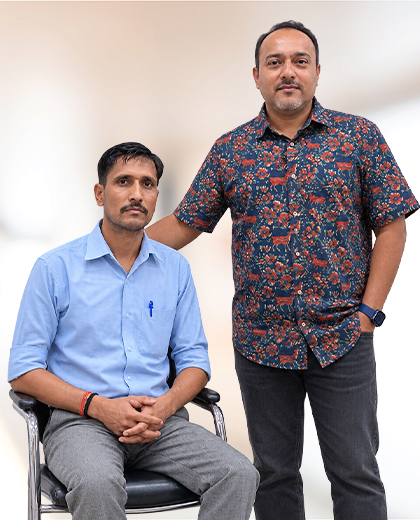
Hip Replacement by
Dr. Indranil Halder
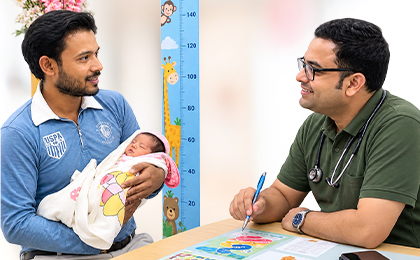
LNICU by
Dr. Rajeev Kumar

CKD Diabetes
CKD Diabetes
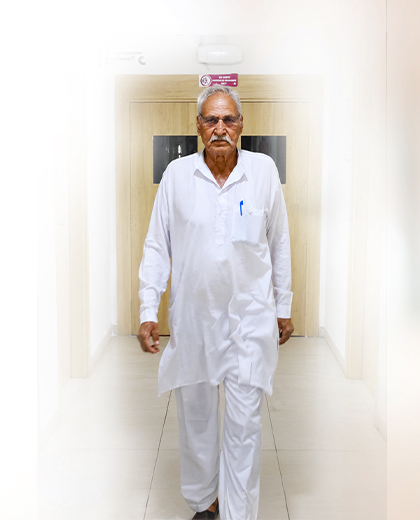
Knee Replacement by
Knee Replacement

TNBC Survivor by
Dr. Abid Lone
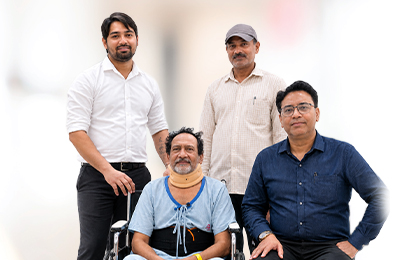
Spine Surgery by
Dr. Saurabh Kumar Sinha
Brain Surgery by
Dr. Saurabh Kumar Sinha
Hip Replacement by
Dr. Indranil Halder
NICU by
Dr. Rajeev Kumar
CKD Diabetes
CKD Diabetes
Knee Replacement by
Knee Replacement
TNBC Survivor by
Dr. Abid Lone
Spine Surgery by
Dr. Saurabh Kumar Sinha
Brain Surgery by
Dr. Saurabh Kumar Sinha
Latest Blogs




Frequently Asked Questions
When should I see a physiotherapist?
If you have ongoing pain, reduced movement, a sports injury, post-surgical stiffness, a neurological condition, or you’re simply finding everyday tasks harder than they used to be – it’s worth a consultation.
Can physiotherapy help avoid surgery?
In many cases, yes. Physio can reduce pain, strengthen the muscles around a joint, and improve function enough that surgery becomes less necessary – or at least less urgent.
Is physiotherapy painful?
Most treatment is aimed at reducing pain, not causing it. Some exercises may be uncomfortable at first, but everything is adjusted to suit where you’re at in your recovery.
How many physiotherapy sessions will I need?
It depends on what you’re recovering from, how severe it is, and how your body responds. Your physiotherapist will give you a realistic picture at your first appointment.
Can physiotherapy help after joint replacement surgery?
Absolutely. It’s a core part of recovery after hip replacement, knee replacement, shoulder surgery, and most other orthopaedic procedures.
Does physiotherapy help stroke patients?
Yes. Regular, structured physiotherapy after stroke helps rebuild muscle strength, coordination, balance, and the ability to manage daily tasks independently.
What conditions are commonly treated with physiotherapy?
Back pain, arthritis, sports injuries, fractures, stroke, spinal disorders, neurological conditions, and post-operative recovery are among the most common.
Can children benefit from physiotherapy?
Yes. Paediatric physiotherapy supports children with developmental delays, neurological conditions, congenital problems, and movement difficulties.
Is physiotherapy suitable for older adults?
Very much so. Geriatric physiotherapy builds strength and balance, improves mobility, and helps older adults feel more confident – and less at risk of falling.
Why choose Ujala Cygnus Hospitals for physiotherapy?
Expert physiotherapists, a joined-up multidisciplinary team, modern therapy equipment, and personalised recovery plans – all under one roof.