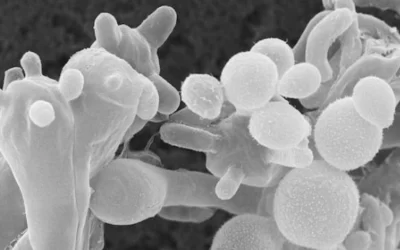
What do you Know about Malaria disease? Its Causes & Treatment
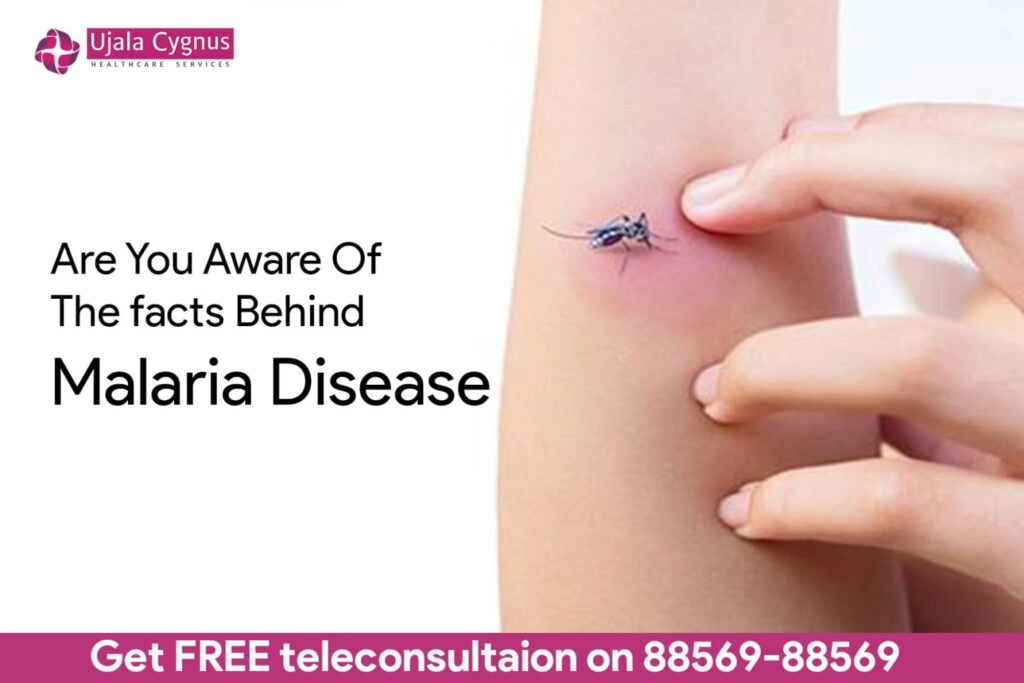
Malaria disease is a disorder transmitted by mosquitoes that bite and kill around 409,000 people each year . The malarial parasites evolve and breed first in the liver cells, followed by their signs shown in red blood cells. Once the infection enters the blood cells, human beings start revealing the symptoms of Malaria in humans.
The Stats of Malaria Disease Outspread
The risk of Malaria is perceptible in half the world’s population lives, and data reveals it prevails in 87 countries and territories. As per the records, in 2020, Malaria caused an estimated 241 million clinical outbreaks and 627,000 deaths. 95% of deaths in 2020 were in WHO African Region
The Two Dominant Malarial Species
Malaria is a curable but life-threatening ailment. The disorder is transmitted in people through the bites of Anopheles mosquitoes , dubbed malaria vectors, infected with Plasmodium parasites. Out of all the five parasites that cause malaria in humans, Plasmodium falciparum (P. falciparum) is the most prevalent and falciparum malaria treatment India and worldwide has developed a lot in the last decade.
Plasmodium vivax (P. vivax), the second most common malaria parasite species, varies from P. falciparum. Plasmodium vivax survives for a more extended period, compelling relapse several months to years after the illness. Plasmodium vivax has the broadest geographical distribution of all human Malaria and accounts for about half of malaria cases outside sub-Saharan Africa. Plasmodium vivax is also the dominant species of Malaria in many countries nearing elimination, accounting for more than 70% of total cases in countries with less than 5,000 malaria cases/year.
Classification of Malarial Parasite
- Plasmodium falciparum (or P. falciparum)
- Plasmodium vivax (or P. vivax)
- Plasmodium malariae (or P. malariae)
- Plasmodium ovale (or P. ovale)
- Plasmodium knowlesi (or P. knowlesi)
Can malaria infect a person twice?
People who lived infected with malaria in the past still need to take precautions as they can get affected with malaria while travelling to a malaria-prone region. Certain disease-infected areas are inclined to develop some immunity levels, and people living there are less likely to contract malaria as they grow older.
Ujala Cygnus Healthcare Group has 16 hospitals. Kanpur, Rewari, Kashipur, Varanasi, Sonepat, Panipat, Kurukshetra, Nangloi in Delhi, Rama Vihar in Delhi, Kaithal, Bahadurgarh, Karnal, Moradabad, Haldwani, and Agra.
You can book an appointment at your nearest Ujala Cygnus Hospital for any health issue treatment. For any query, you can give a missed call on 88569-88569 and get a free consultation over the phone.
When they reach adulthood, the parasites exit the liver and infect your red blood cells, and this is when most people start to have symptoms of Malaria.
When your infection is visible in your body and has reached blood cells and an uninfected mosquito bites you at this in the cycle, it will get infected with your malaria parasites and potentially transfer them to other people.
Malaria deaths are generally related to one or more severe complexities, including:
The blood cells infected with malarial parasites often block the blood vessel in the brain, causing cerebral Malaria and might end up in brain damage. Cerebral Malaria may induce seizures and coma.
The fluid in your lungs can cause it difficult to breathe
It may cause damage to the kidneys or liver or compel the spleen to rupture. Any of these circumstances can be life-threatening.
Malaria impacts the red blood cells in the body, thereby impacting the adequate supply of oxygen to your body’s tissues.
When Malaria has spread in the body, it can cause low blood sugar (hypoglycemia). In cases where the blood sugar reported is too low, it can result in coma or death.
Antimalarial drugs For Malaria Treatment
The moment you are aware of malarial symptoms in your body, you should start as soon as possible. Your doctor will define drugs to kill the malaria parasite and treat Malaria, but some parasites are immune to malarial drugs. Medication for malarial disorder depends on which parasite is causing your symptoms.
Antimalarial drugs include
- Artemisinin drugs (artemether and artesunate).
- Atovaquone (Mepron®).
- Chloroquine.
- Doxycycline (Doxy-100®, Monodox®, Oracea®).
- Mefloquine.
- Quinine.
World Malaria Day
On World Malaria Day, we celebrate the successes in the contest against malaria, emphasise the responsibility we all have to end malaria and encourage leaders to step up the fight and get us nearer to a malaria-free world. Along with efforts from other countries, India has contributed to bringing down malaria cases in the past few years and has made significant progress in the malaria fight, saving more than 7 million lives and preventing over 1 billion malaria cases..
Strengthened efforts are needed to catalyze future improvement, especially in countries with a high malaria load. More additional measures are also necessary to move low-burden governments towards elimination. In both contexts, innovative tools and strategies will play a vital role.
Frequently Asked Questions
Do you know what Malaria is?
A virus or bacteria does not cause Malaria. Malaria is induced by a parasite known as Plasmodium, which disperses through infected mosquitoes. A mosquito takes a blood feed from an infected human, taking in Plasmodia, which are in the blood.
What are the names of five prevalent malaria-causing species?
The name of the five prevalent malarial species are
- Plasmodium falciparum (or P. falciparum)
- Plasmodium vivax (or P. vivax)
- Plasmodium malariae (or P. malariae)
- Plasmodium ovale (or P. ovale)
- Plasmodium knowlesi (or P. knowlesi)
Can malaria infect a person twice?
People who lived infected with malaria in the past still need to take precautions as they can get affected with malaria while travelling to a malaria-prone region. Certain disease-infected areas are inclined to develop some immunity levels, and people living there are less likely to contract malaria as they grow older.
Do you know what Malaria is?
A virus or bacteria does not cause Malaria. Malaria is induced by a parasite known as Plasmodium, which disperses through infected mosquitoes. A mosquito takes a blood feed from an infected human, taking in Plasmodia, which are in the blood.
What are the names of five prevalent malaria-causing species?
People who lived infected with malaria in the past still need to take precautions as they can get affected with malaria while travelling to a malaria-prone region. Certain disease-infected areas are inclined to develop some immunity levels, and people living there are less likely to contract malaria as they grow older.
Ujala Cygnus Healthcare Group has 16 hospitals. Kanpur, Rewari, Kashipur, Varanasi, Sonepat, Panipat, Kurukshetra, Nangloi in Delhi, Rama Vihar in Delhi, Kaithal, Bahadurgarh, Karnal, Moradabad, Haldwani, and Agra.
You can book an appointment at your nearest Ujala Cygnus Hospital for any health issue treatment. For any query, you can give a missed call on 88569-88569 and get a free consultation over the phone.


+91-91466 91466
If you want to get a free consultation without any obligations, fill in the form below and we'll get in touch with you.
Request a Call Back
Our healthcare expert will contact you shortly to understand your requirements and assist you with the right care.
100% Confidential
Your information is safe and secure with us.
Quick Response
Our team will connect with you at the earliest.
Expert Guidance
Speak with our experienced healthcare professionals.
Request a Call Back
You Will Get a call within 1 hour
?? Your information is
safe & confidential.