
Lumbar Disk
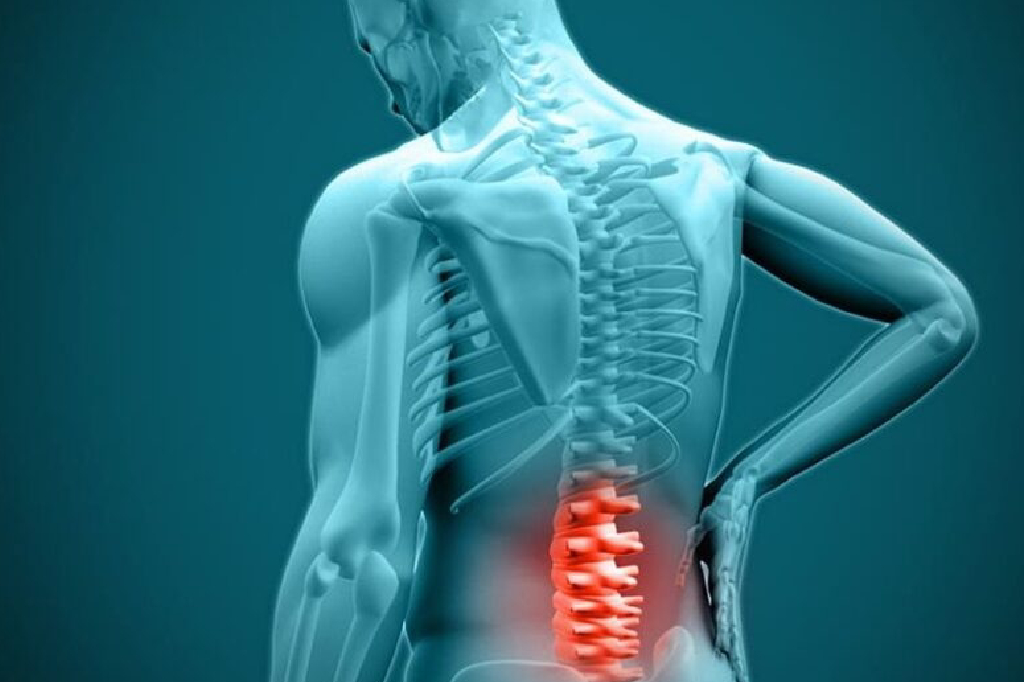
LUMBAR DISK DISEASE (HERNIATED DISK)
A herniated disc is a spinal injury (backbone). Your spine comprises several bones called vertebrae that go from your skull’s base to your tailbone’s base. Round cushions between your vertebrae are known as discs. The discs protect your bones from one another, making it simple for you to bend and move. When one of these discs ruptures or starts to leak, the result is a herniated disc.
The prevalent cause of pain in the neck, arms, back, legs, and/or feet is herniated discs (sciatica). Herniated discs can arise anywhere along the spine, but they most frequently do so in the neck or lower back. A herniated disc in the middle of the back is unusual.
People aged 30 to 50 are more likely than others to have herniated discs. Men are impacted by the issue twice as frequently as women. Other danger signs consist of:
- sitting still for extended periods of time.
- weighing too much.
- lifting large, hefty things
- repetitively bending or twisting for work, exercise, or recreation.
- Smoking.
SYMPTOMS
Although they can sometimes develop in the neck, herniated discs typically occur in the lower back. The location of the disc and whether it is pressing on a nerve will determine the signs and symptoms. One side of the body is typically affected by herniated discs.
- Arm or leg pain
- Numbness or tingling
- Weakness
Herniated or slipped disc in the back (herniated lumbar disk)
A herniated disc in the lower back frequently results in “sciatic nerve” pain. Typically, a leg and occasionally a foot will feel the acute pain that originates on one side of your buttocks. The following are other signs of a ruptured disc in your lower back:
- backache
- Legs or feet that tingle or are numb.
- muscle sluggishness
Herniated or disk in the neck (herniated cervical disk)
Neck herniated disc symptoms include the following:
- discomfort between or close to your shoulder blades.
- your shoulder, arm, and even your hand and fingers with pain.
- neck discomfort, particularly in the back and sides.
- Pain that gets worse as you bend or turn your neck.
- tingling or numbness in your arms.
Causes
Discs have more challenging outer layers and soft, gel-like cores like a jelly doughnut. The outer layer becomes more fragile and brittle over time. When the inner “jelly” material pushes through the crack, a herniated disc results, and the adjacent spinal nerves may feel pressure from the leaky material.
A disc rupture can be caused by several reasons, such as:
DIAGNOSIS
Your doctor will do a comprehensive examination. Your doctor will evaluate your discomfort, muscle reflexes, sensitivity, and muscular strength during the examination. Your doctor might also request tests like these:
- Magnetic resonance imaging (MRI)
- X-rays
- Computed tomography (CT)
- Myelogram
- Electromyogram (EMG)
TREATMENT
Most of the time, a herniated disk’s pain can subside with time. While your disc is healing, you can:
- Rest for one to three days if the pain is severe, but make sure
- Use an over-the-counter analgesic, such as acetaminophen or ibuprofen.
- Apply ice or heat to the injured region.
If your symptoms aren’t improving, you might need more sophisticated therapies. Your healthcare professional might advise:
- Medication
- Physical therapy
- Spinal injections
- Surgery






+91-91466 91466
If you want to get a free consultation without any obligations, fill in the form below and we'll get in touch with you.
Request a Call Back
Our healthcare expert will contact you shortly to understand your requirements and assist you with the right care.
100% Confidential
Your information is safe and secure with us.
Quick Response
Our team will connect with you at the earliest.
Expert Guidance
Speak with our experienced healthcare professionals.
Request a Call Back
You Will Get a call within 1 hour
?? Your information is
safe & confidential.